UNITED NATIONS, Thursday, January 15, 2026 (WNP): Pakistan on Thursday urged restraint and respect for international law during an emergency meeting of the United Nations Security Council on the situation in Iran, expressing hope for an early normalization of conditions and warning against any external interference in the internal affairs of sovereign states.
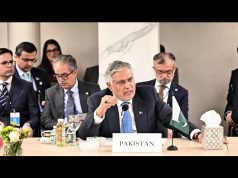
Addressing the 15-member Council, Ambassador Asim Iftikhar Ahmad, Pakistan’s Permanent Representative to the United Nations, underscored that the UN Charter explicitly prohibits the threat or use of force against the territorial integrity or political independence of states, as well as interference in matters essentially within domestic jurisdiction.
“We have been carefully observing developments in Iran and the region in recent days,” the Pakistani envoy said, cautioning that emerging tensions pose serious risks to regional peace and stability.
Describing Iran as a “brotherly country,” Ambassador Asim highlighted the deep historical, cultural, religious and people-to-people ties between Pakistan and Iran. “A stable and peaceful Iran is in the interest of Pakistan, the region and beyond,” he said, adding that Islamabad has “full confidence in the wisdom of the Iranian people and leadership,” shaped by the country’s history, culture and resilience.
He reaffirmed Pakistan’s principled position that disputes must be resolved through peaceful means and dialogue, warning that continued hostilities, unilateral actions and the use of force would only deepen crises and exacerbate human suffering.
“We sincerely hope that the situation in Iran will soon return to calm and normalcy, free from internal turmoil and external pressure,” Ambassador Asim said, urging all parties to return to negotiations based on mutual respect and understanding.
The Security Council meeting was convened at the request of the United States, whose envoy, Ambassador Mike Waltz, criticized Iranian authorities’ actions against protestors and voiced support for demonstrators, stating that President Donald Trump stood with the Iranian people. He accused Tehran of being solely responsible for the country’s economic hardships and warned that the government would be held accountable.
Briefing the Council at the outset, UN Assistant Secretary-General Martha Pobee described the situation in Iran as “fluid and deeply concerning,” noting that protests continued, though reportedly at a smaller scale than the previous week. She also expressed alarm over public statements suggesting possible military strikes, warning that such rhetoric added volatility to an already fragile situation.
UN Secretary-General António Guterres, she said, remains convinced that concerns related to Iran—including its nuclear issue and domestic unrest—are best addressed through diplomacy and dialogue, urging maximum restraint to prevent further loss of life or regional escalation.
The debate reflected sharp divisions among major powers. Russia’s Ambassador Vassily Nebenzia accused Washington of escalating tensions and using the meeting to justify interference in Iran’s internal affairs, warning against what he described as a pattern of regime-change operations. China’s Ambassador Sun Lei echoed those concerns, stressing that sovereignty and non-interference are fundamental principles of international relations and cautioning that the use of force would push the region toward instability.
Responding to the accusations, Iran’s Deputy Permanent Representative Gholamhossein Darzi said he spoke on behalf of a “nation in mourning,” accusing the United States of spreading disinformation and of attempting to exploit unrest in Iran to justify political destabilization and potential military intervention.
The protests in Iran began on December 28, sparked by demonstrations in Tehran’s bazaars over the collapse of the national currency, soaring inflation and worsening living conditions. As the Security Council deliberations concluded, several members reiterated calls for restraint, dialogue and adherence to international law to prevent further escalation in an already volatile region.