ISLAMABAD, Thursday, June 18, 2026 (WNP): The United States Embassy in Islamabad on Thursday hosted the Freedom 250 Arts Entrepreneurship Showcase, bringing together artists, designers, entrepreneurs and cultural leaders to highlight the role of creative industries in driving economic growth, strengthening U.S.-Pakistan relations and fostering people-to-people connections.
Held at the United States Educational Foundation in Pakistan (USEFP), the event formed part of the United States’ Freedom 250 initiative commemorating the 250th anniversary of American independence.
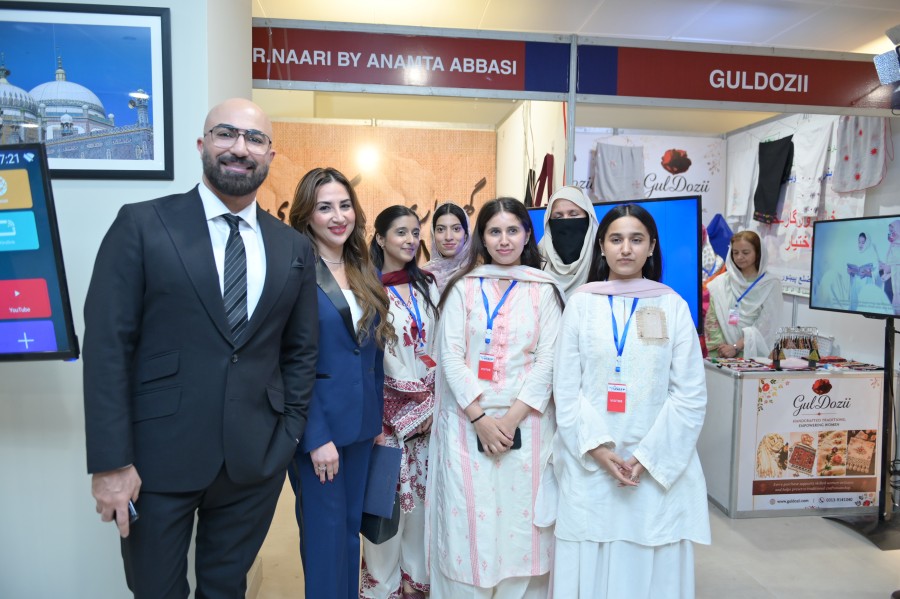
U.S. Chargé d’Affaires Natalie Baker and renowned Pakistani fashion designer Hassan Sheheryar Yasin (HSY) headlined the event, which was moderated by broadcaster and filmmaker Tauseeq Haider.
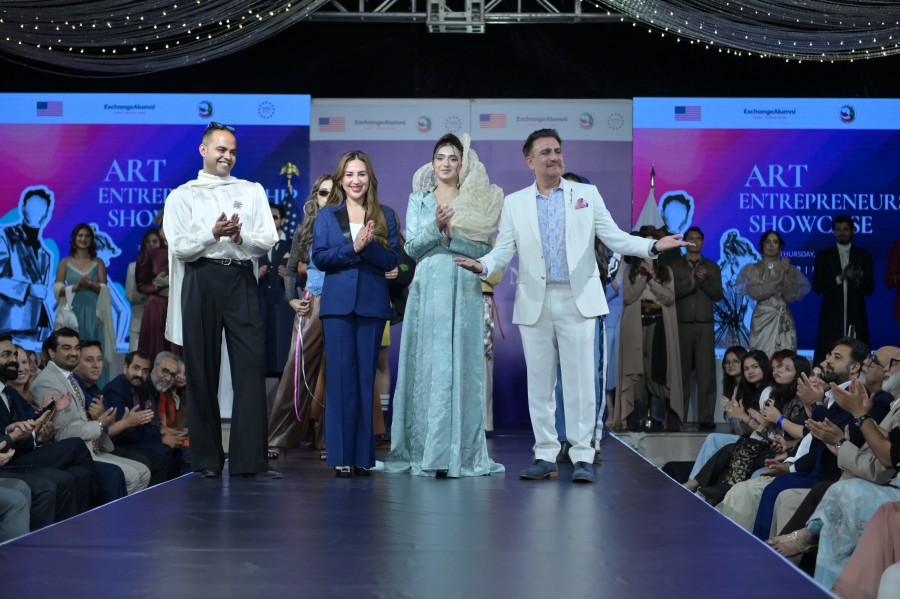
The showcase featured three key components: a Freedom 250 entrepreneurship lecture highlighting American business expertise and innovation, an alumni arts marketplace showcasing the work of 20 members of the Pakistan-U.S. Alumni Network (PUAN) engaged in Pakistan’s creative industries, and a fashion runway presentation celebrating 250 years of American design, culture and textile innovation.
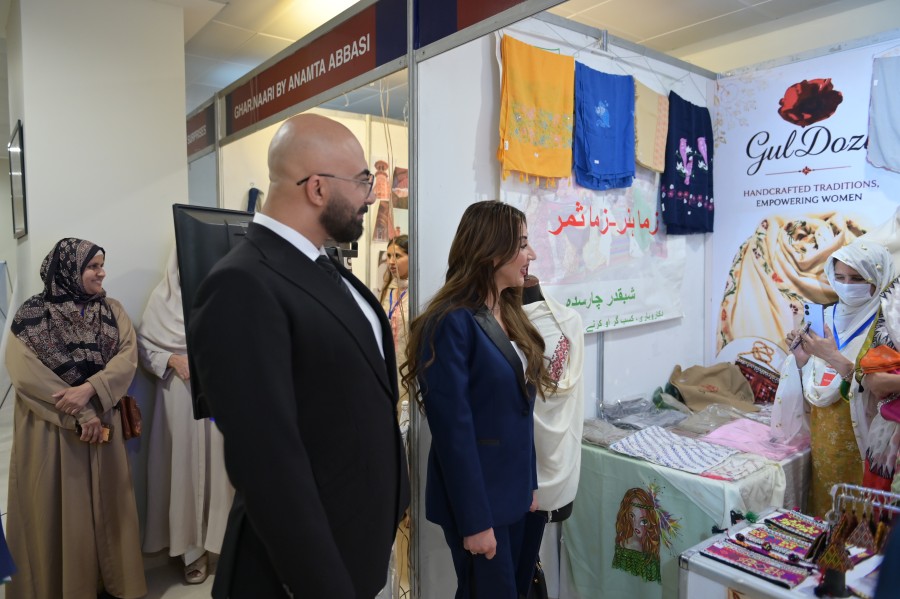
The event highlighted the growing depth of U.S.-Pakistan cooperation across the creative economy, entrepreneurship, culture and the arts.
Addressing the gathering, Chargé d’Affaires Natalie Baker said the creative industries possess a unique ability to build enduring bridges between nations and communities.
“The textile industry is one of the most powerful linkages between our two countries,” she said.
Baker noted that Pakistani exports of finished apparel and clothing products to the United States had averaged more than US$4 billion annually over the past five years, with many of those products manufactured using American cotton.
She said Pakistan imports nearly US$800 million worth of U.S. cotton and other raw cotton inputs each year, making the United States the country’s second-largest supplier of cotton.
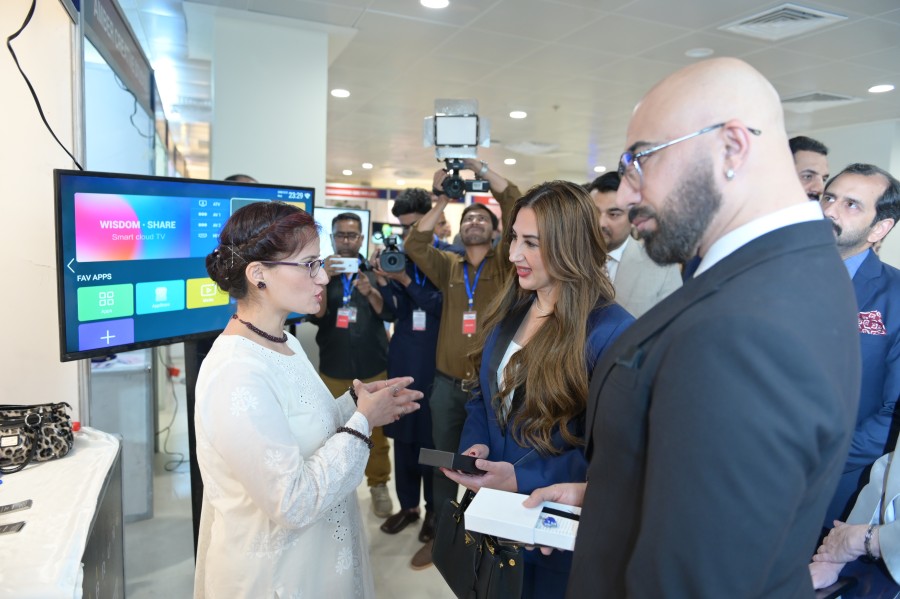
“The United States is Pakistan’s second-largest supplier of cotton, underscoring how deeply interconnected our textile supply chains are—from American fields to Pakistani factories to global markets,” she said.
Highlighting Pakistan’s global leadership in denim production, Baker remarked that many pairs of jeans sold in American stores begin their journey in Pakistan.
“Just look at a pair of Levi’s jeans for a powerful reminder that the U.S.-Pakistan relationship is woven into the everyday lives of people in both countries,” she added.
Baker reaffirmed the United States’ commitment to supporting creative entrepreneurship as a catalyst for economic opportunity, innovation and stronger bilateral cooperation.
“The United States has long believed in the power of creative industries to fuel progress and economic growth. American excellence in the arts and design comes not only from talent, but from a culture that encourages experimentation, entrepreneurship and bold new ideas,” she said.
She added that American creative industries continue to influence global trends and inspire audiences worldwide through innovation and artistic excellence.
A major highlight of the evening was a fashion runway show tracing 250 years of American fashion through textiles, design and cultural storytelling, presenting a visual celebration of America’s creative heritage and its enduring spirit of innovation.
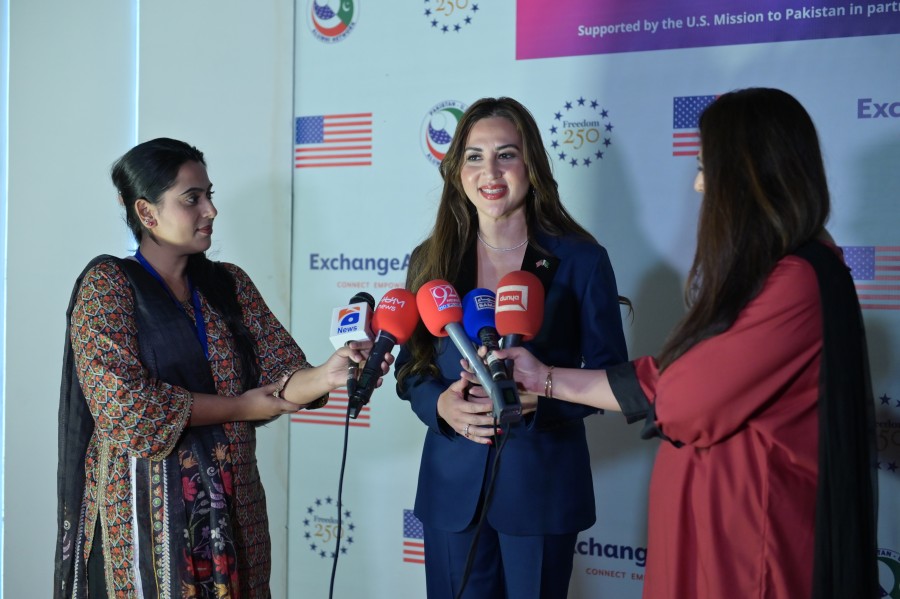
According to the U.S. Embassy, the Freedom 250 initiative marks the 250th anniversary of American independence through a year-long series of events, partnerships and public diplomacy programmes aimed at celebrating American achievements, promoting shared values and strengthening bilateral relationships with partner countries around the world.