By Rehan Khan
Director Diplomatic & International Affairs
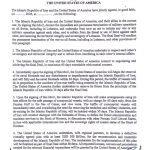
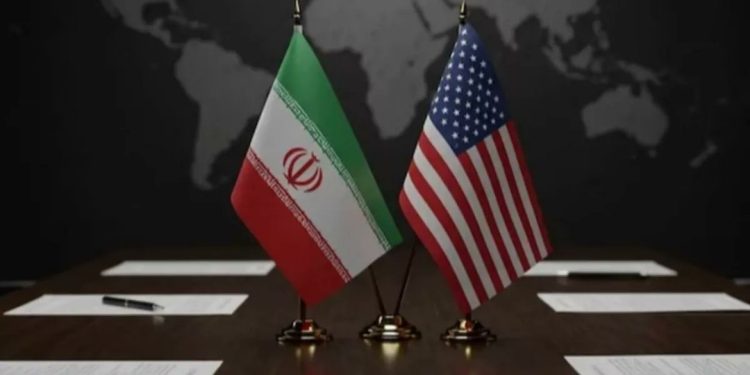
ISLAMABAD, Thursday, June 18, 2026 (WNP): The Islamabad Memorandum of Understanding (Islamabad MoU), electronically signed by the presidents of the United States and the Islamic Republic of Iran and endorsed by Prime Minister Muhammad Shehbaz Sharif as mediator, sets out a comprehensive framework for ending hostilities, restoring regional stability and launching negotiations toward a final peace agreement.
According to the text of the memorandum, the United States and Iran, together with their respective allies, agreed to the immediate and permanent cessation of military operations on all fronts, including Lebanon, while committing themselves to refrain from initiating any future military action or the threat or use of force against one another.
The document also emphasizes full respect for each country’s sovereignty, territorial integrity and non-interference in internal affairs as guiding principles for future relations.
Under the agreement, both sides committed to conclude negotiations on a comprehensive final agreement within 60 days, with the timeframe extendable by mutual consent.
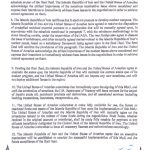
The memorandum provides that the United States will immediately begin lifting its naval blockade and remove restrictions affecting Iran’s maritime trade, with the blockade to be completely terminated within 30 days. It further envisages the withdrawal of U.S. military forces from the vicinity of Iran following the conclusion of the final agreement.
In return, Iran agreed to facilitate the safe and uninterrupted passage of commercial vessels through the Strait of Hormuz for an initial 60-day period without imposing transit charges. The agreement also calls for the removal of technical and military obstacles affecting maritime navigation, including demining operations, while envisaging consultations with Oman and other Gulf littoral states on the future administration of maritime services in accordance with international law.
The memorandum further states that the United States, together with regional partners, will support a reconstruction and economic development programme worth at least US$300 billion for Iran. The financing mechanism is to be finalized during negotiations on the final agreement, with Washington undertaking to provide the necessary financial authorizations and waivers.
A key provision of the agreement commits the United States to work toward the termination of all primary, secondary and United Nations-related sanctions imposed on Iran, including measures linked to the United Nations Security Council and the International Atomic Energy Agency (IAEA), in accordance with a mutually agreed implementation schedule.
On the nuclear issue, Iran reaffirmed that it would not seek to acquire or develop nuclear weapons. Both countries agreed to negotiate arrangements for the disposition of enriched nuclear material under a mutually agreed mechanism and under IAEA supervision, while discussions on Iran’s peaceful nuclear programme and enrichment activities will continue as part of the comprehensive settlement.
Pending the conclusion of the final agreement, Iran will maintain the current status of its nuclear programme, while the United States pledged not to impose additional sanctions or deploy further military forces in the region.
The memorandum also provides for the immediate issuance of waivers by the U.S. Treasury Department to facilitate the export of Iranian crude oil, petroleum products and petrochemicals, along with associated banking, insurance, transportation and commercial services.
In addition, the United States committed to making available Iran’s frozen and restricted financial assets following the implementation of the memorandum, with both sides agreeing on procedures for the release and utilization of the funds during the negotiation process.
To ensure effective implementation, the two countries agreed to establish a joint executive mechanism to monitor compliance with the memorandum and oversee progress toward the final agreement.
The document states that once the initial provisions relating to the cessation of hostilities, maritime access, sanctions waivers and release of assets have begun to be implemented, negotiations on the remaining elements of the comprehensive agreement will formally commence.
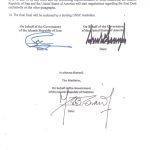
The memorandum concludes by providing that the final agreement will ultimately be endorsed through a binding United Nations Security Council resolution, giving international legal recognition to the accord.
The Islamabad Memorandum of Understanding was electronically signed by United States President Donald J. Trump and Iranian President Dr. Masoud Pezeshkian, while Prime Minister Muhammad Shehbaz Sharif endorsed the agreement on behalf of Pakistan in his capacity as mediator, marking what has been described as a significant diplomatic milestone aimed at advancing regional peace, stability and international cooperation.