National Paigham-e-Aman Committee issues comprehensive Code of Conduct to counter sectarianism, extremism and hate speech during Muharram-ul-Haram
EXCLUSIVE INTERVIEW
By Rehan Khan
Director Diplomatic & International Affairs
ISLAMABAD, Friday, June 12, 2026 (WNP): Against the backdrop of growing concerns over the misuse of traditional and digital communication platforms to spread sectarian hatred, misinformation and religious intolerance, Pakistan’s National Paigham-e-Aman Committee (NPAC) has issued a comprehensive Paigham-e-Pakistan Code of Conduct for Muharram-ul-Haram.
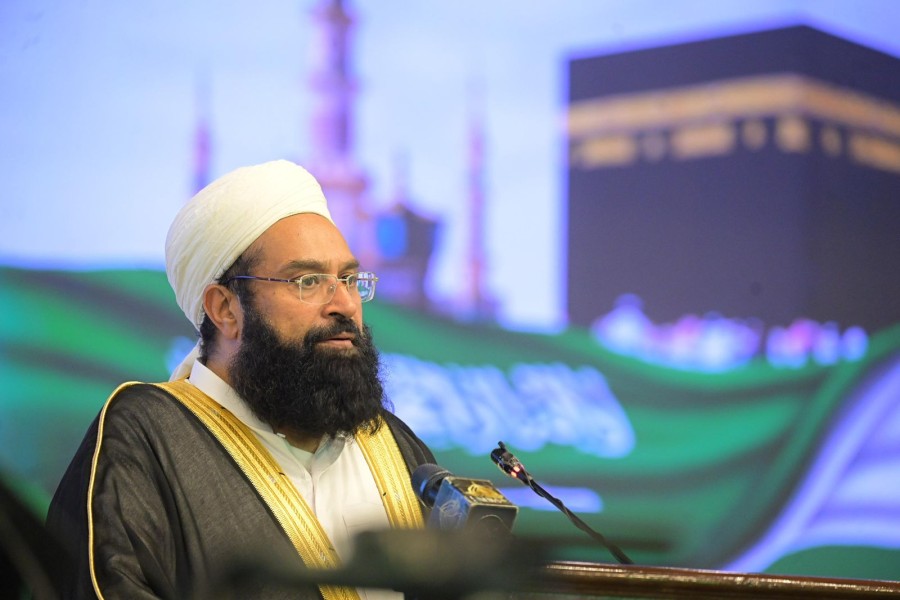
In an exclusive interview with World News Pakistan (WNP), Prime Minister’s Coordinator and Chairman of the Pakistan Ulema Council Hafiz Muhammad Tahir Mahmood Ashrafi discussed the significance of the initiative, the challenges facing religious harmony, and the collective responsibility of scholars, media organizations, state institutions and citizens in ensuring peaceful observance of Muharram.
Question: Why was it necessary to issue a special Code of Conduct for Muharram-ul-Haram?
Ashrafi: Muharram-ul-Haram is one of the most sacred months in the Islamic calendar. It carries a universal message of sacrifice, patience, justice and steadfastness. Unfortunately, anti-state and anti-Islam elements often attempt to exploit religious occasions to spread discord, sectarian tensions and hatred.
The National Paigham-e-Aman Committee, after extensive consultations with scholars and religious leaders representing all schools of thought, issued the Paigham-e-Pakistan Code of Conduct to ensure that Muharram is observed peacefully throughout Pakistan. The purpose is to strengthen inter-sect harmony, promote religious tolerance and safeguard national unity.
Question: What makes this Code of Conduct different from previous initiatives?
Ashrafi: This Code is based on national consensus. Scholars, Mashaykh, Zakireen and religious leaders from all schools of thought have jointly endorsed it. It is rooted in the principles of Paigham-e-Pakistan, which rejects terrorism, extremism, sectarian violence and hate-based narratives.
The Code clearly states that sectarian hatred, armed sectarian conflict and attempts to impose beliefs through force are contrary to Islamic teachings and constitute both religious and national crimes. It provides practical guidelines for religious gatherings, public discourse and media engagement during Muharram.
Question: What role do religious scholars and speakers have in implementing the Code?
Ashrafi: Religious scholars carry a tremendous responsibility. Every scholar has the right to explain the beliefs and teachings of his own school of thought. However, this right comes with responsibility. No one should insult, ridicule or target the beliefs, personalities or practices of another school of thought.
All Ulema, Khateebs, Zakireen and religious speakers have pledged to fully adhere to the Code of Conduct. No support will be extended to anyone who violates its provisions. We believe scholars must become ambassadors of unity rather than contributors to division.
Question: Social media has emerged as a major source of misinformation and hate speech. How serious is this challenge?
Ashrafi: The challenge is extremely serious. Today, a single provocative message, manipulated video or fabricated post can reach millions of people within minutes. Social media has many positive dimensions, but it is also being misused by extremist elements, foreign actors and those seeking to create instability within society.
That is why the Code specifically calls upon electronic, print and social media organizations to promote the message of peace, harmony and national cohesion. At the same time, government institutions must take immediate action against content that incites hatred, violence or sectarian tensions.
Question: How important is inter-sect harmony for Pakistan’s stability?
Ashrafi: It is absolutely essential. Pakistan belongs equally to all its citizens and all schools of thought. The enemies of Pakistan have repeatedly attempted to exploit religious differences to weaken our society. We must not allow them to succeed.
Muharram should remind us of the values of sacrifice, justice and unity. Followers of all schools of thought, including devotees of Ahl al-Bayt and admirers of the Companions of the Holy Prophet (Peace Be Upon Him), must stand together against those seeking to sow discord.
Question: The Code also addresses the rights of minorities. Why was this included?
Ashrafi: Because Islam guarantees religious freedom and protection to all citizens. The Constitution of Pakistan provides equal rights to minorities, and these rights must be fully respected.
The Code reaffirms that non-Muslim citizens have complete freedom to worship according to their faith and celebrate their religious festivals. No individual or group has the authority to deprive them of these constitutional rights. Protection of minorities is both a constitutional obligation and a religious duty.
Question: What message would you like to give to the nation ahead of Muharram-ul-Haram?
Ashrafi: Our message is simple: Muharram is not a month of division; it is a month of reflection, sacrifice and unity. Let us honor the teachings of Islam by rejecting hatred, extremism and violence in all forms.
Mind it that peace is a collective responsibility. Scholars, media professionals, civil society, government institutions and ordinary citizens all have a role to play. If we work together, we can ensure that Muharram is observed with dignity, respect and complete harmony throughout the country.
Question: What outcome does the National Paigham-e-Aman Committee expect from the implementation of the Code?
Ashrafi: We are confident that effective implementation of the Paigham-e-Pakistan Code of Conduct will strengthen inter-sect harmony, reinforce national cohesion and help create an environment where religious differences are managed through dialogue, respect and mutual understanding.
Pakistan’s scholars and spiritual leaders stand united against extremism, terrorism and intolerance. Together with state institutions and law-enforcement agencies, we are determined to preserve peace and ensure that Muharram-ul-Haram remains a symbol of unity, patience, sacrifice and peaceful coexistence.
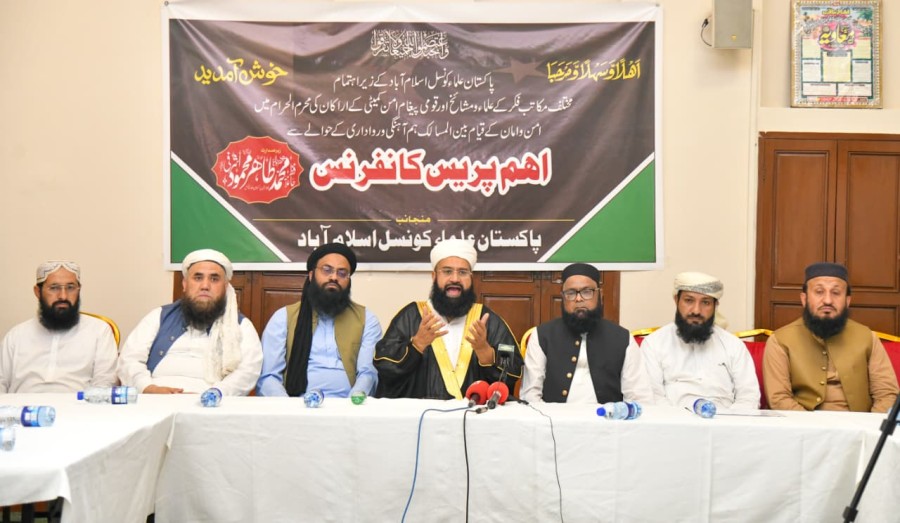
“Safeguarding peace and harmony during Muharram-ul-Haram is not only a national responsibility but also a religious obligation shared by all Pakistanis.”