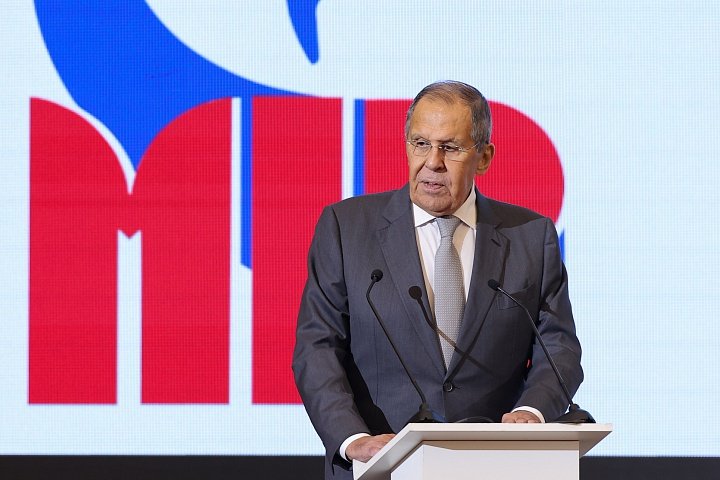
Around 300 participants from more than 50 countries attend congress; Pakistan represented by Mohammad Saqib Khan and youth delegates
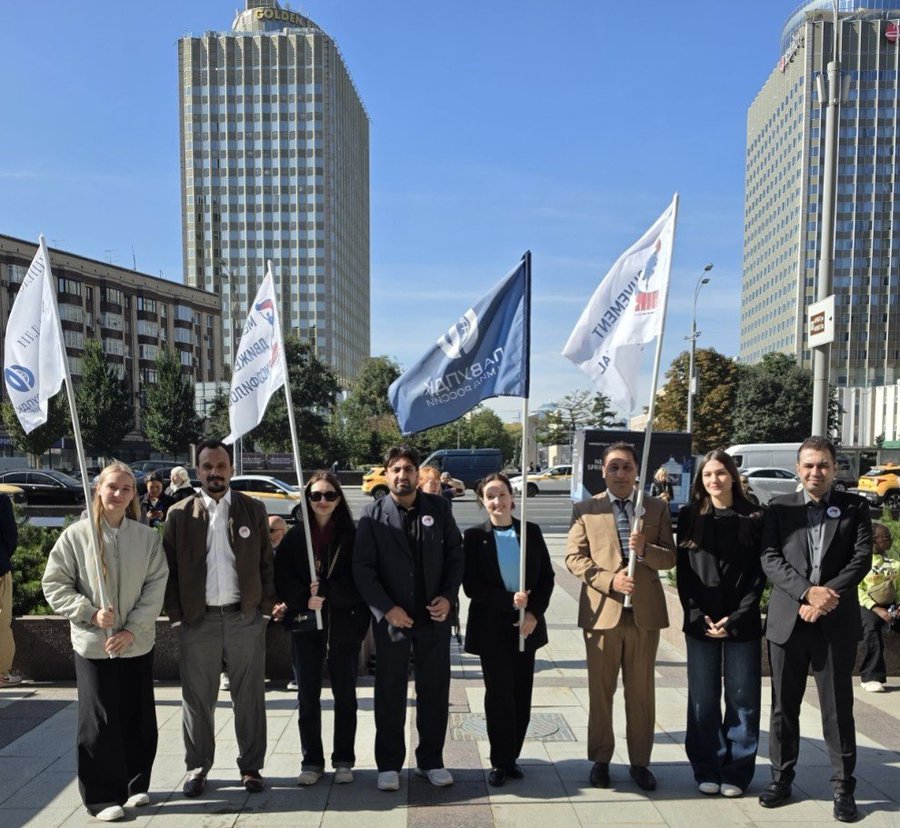
MOSCOW, Thursday, September 17, 2026 (WNP): The IV Congress of the International Russophile Movement (IRM) was held at the Victory Museum in Moscow, bringing together around 300 participants from more than 50 countries to discuss international contacts, humanitarian cooperation and relations among Eurasian nations.
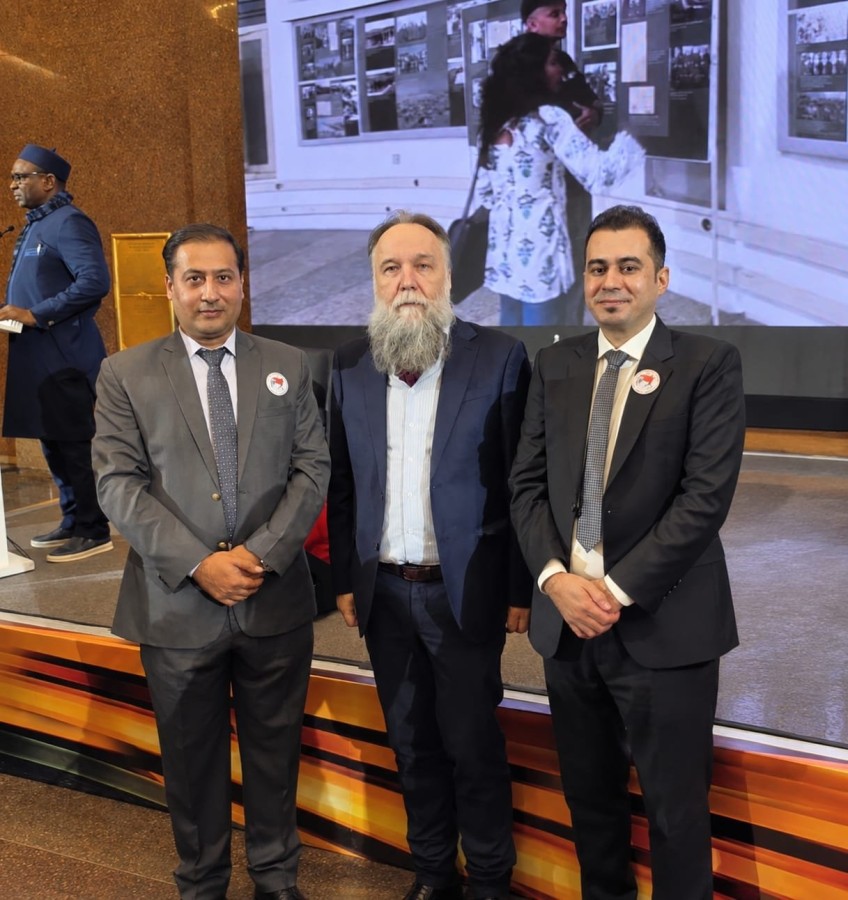
Pakistan was represented at the congress by Mohammad Saqib Khan, Chairman of the Eurasian Peoples’ Friendship Forum and member of the International Russophile Movement, along with representatives of Pakistani youth.
The plenary session was opened by Russian Foreign Minister Sergey Lavrov, who said that under President Vladimir Putin, Russia was pursuing an independent, pragmatic and peaceful foreign policy while developing relations with allies, partners and like-minded countries around the world.
Lavrov highlighted the importance of the Eurasian continent and said there was currently no continent-wide organization encompassing the diverse regional groupings across Eurasia.
He said Russia believed that consideration could be given to developing the potential of the continent and promoting the concept of a Greater Eurasian Partnership open to all countries of Eurasia, with the objective of preventing external interference in the continent’s affairs.
The congress also featured a cultural programme, including the international “Russophiles Retro Rally” and a visit to the exhibition at the National Centre “Russia”.
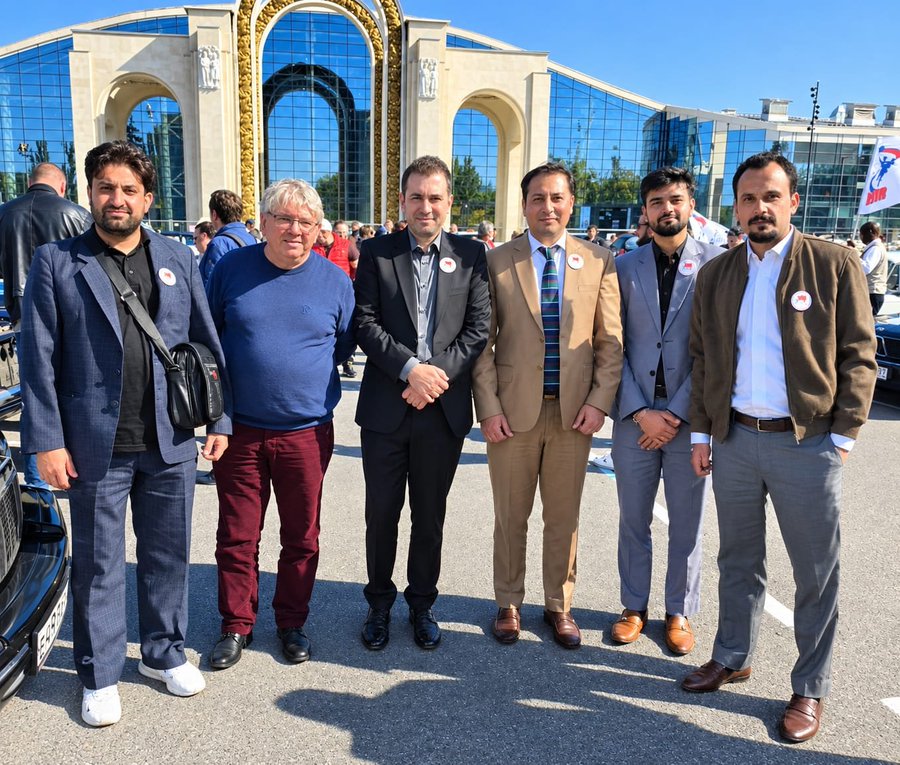
Speaking on his participation, Mohammad Saqib Khan said the congress was particularly meaningful in the context of developing international contacts, strengthening humanitarian cooperation and expanding interaction among representatives of Pakistan, Russia and other Eurasian countries.
The event brought together representatives from diverse countries and communities, providing a platform for dialogue, cultural exchange and strengthening people-to-people contacts across Eurasia.