ISLAMABAD, Friday, February 13, 2026 (WNP): Iran’s Ambassador to Pakistan, Reza Amiri Moghadam, on Friday expressed hope that tensions between the United States and the Iran would not escalate into war, warning that any conflict involving the U.S. and Israel would have consequences far beyond the region.
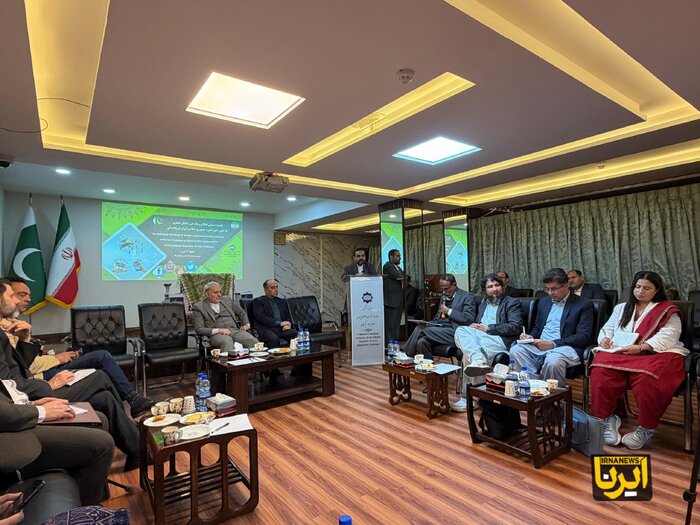
“If the United States and Israel impose a war on Iran, it will not remain confined to the region but will have far-reaching global impacts,” the ambassador said while addressing a consultative meeting with prominent Pakistani media professionals and social media activists in Islamabad.
The interactive session was hosted by the Iranian Cultural Consulate and focused on the need for closer media coordination between Pakistan and Iran to ensure accurate narration of regional developments, including “12-day imposed war” and recent unrest inside Iran.
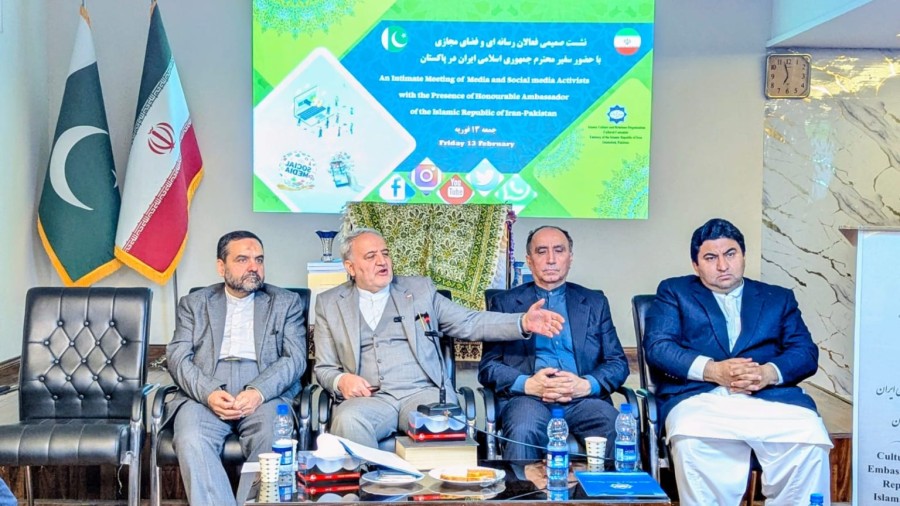
Ambassador Moghadam praised sections of the Pakistani media for balanced coverage of developments in Iran. He said recent events demonstrated that Pakistan had largely supported Iran’s perspective while rejecting narratives advanced by the United States and Israel.
“Today’s war is a war of narratives,” he said, stressing that media in both countries have a decisive role to play. While acknowledging that the media capacities of Iran and Pakistan are not equal, he underscored the importance of professional and ethical responsibility in reporting.
During the session, the ambassador engaged in an extended question-and-answer exchange with journalists, addressing issues ranging from Middle East tensions and nuclear negotiations to regional security and media influence.
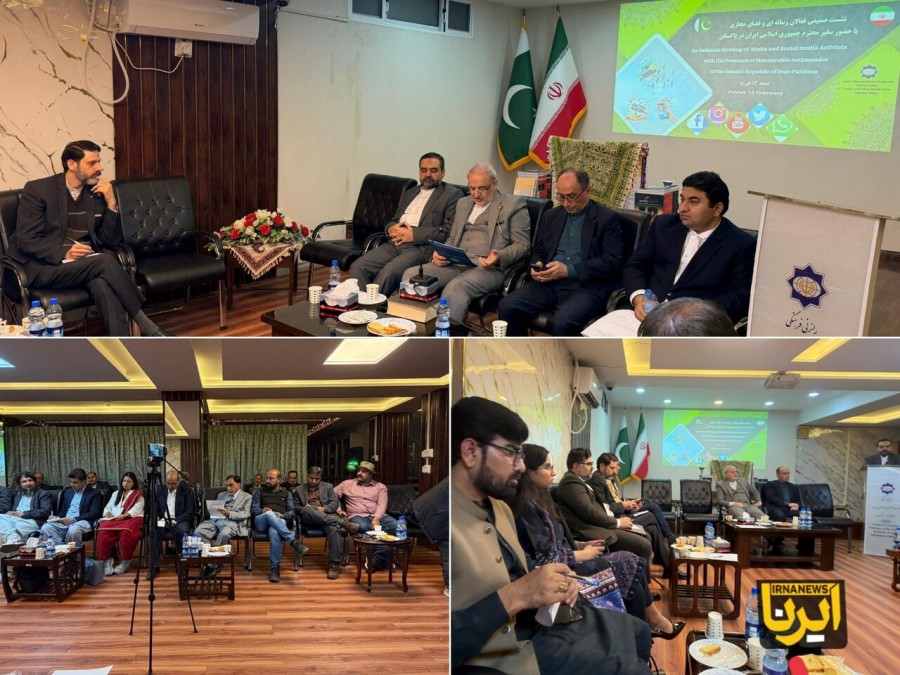
He argued that despite longstanding regional conflicts dating back to 1948, resistance movements had persisted and, in his view, strengthened over time. Referring to debates within the Islamic world over the one-state versus two-state solution to the Palestinian issue, he described shifting positions among Muslim countries as a matter of concern.
Ambassador Moghadam expressed gratitude for widespread and sincere public support from the people of Pakistan during recent tensions involving Iran. He noted that during the reported 12-day conflict, many Pakistani media outlets had, in his view, effectively conveyed Iran’s stance.
He also called for more interactive sessions between Iranian officials and Pakistani journalists to promote dialogue and mutual understanding.
In another part of his remarks, Ambassador Moghadam addressed the role of women in Iran, stating that their active participation in economic, social, educational and managerial sectors reflects their significant contribution to national development.
He criticized inaccurate portrayals of Iranian women in Western media and invited Pakistani journalists to visit Iran to observe developments firsthand.
Iran’s Cultural Counsellor in Islamabad, Majid Meshki, also spoke at the event, thanking Pakistani media representatives for their constructive approach toward Iran.
He alleged that certain Western outlets disseminate fabricated news to influence public opinion against Islamic countries, particularly Iran, while praising Pakistani media for presenting a clearer understanding of regional developments.
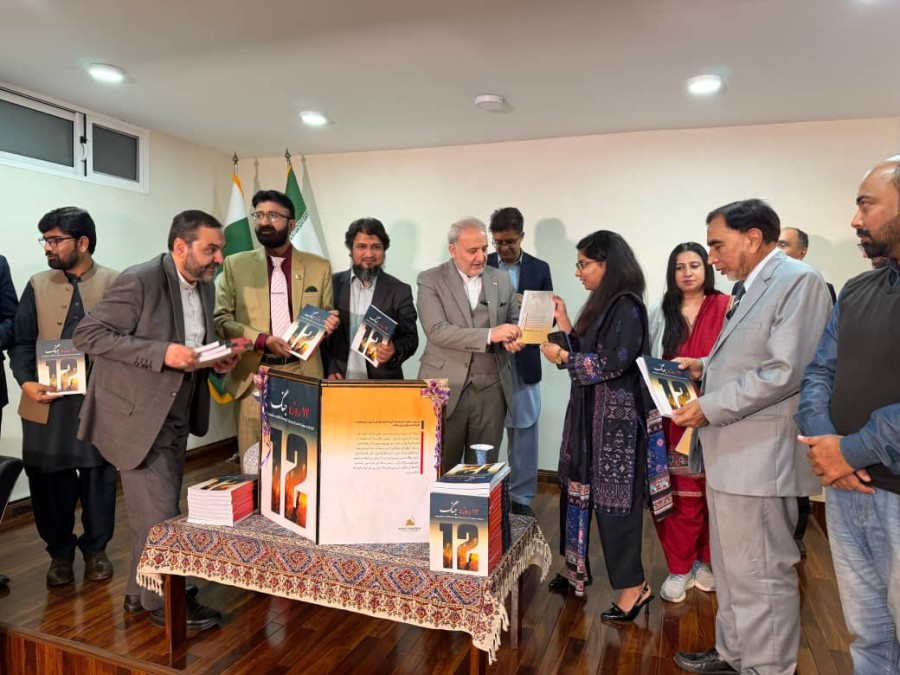
The event concluded with the launch of an Urdu-language book titled “The 12-Day Imposed War of the Zionist Regime Against Iran,” with copies distributed among the participants.
The meeting highlighted Iran’s efforts to strengthen public diplomacy in Pakistan at a time of heightened geopolitical tensions, with Tehran seeking regional and international support amid its strained relations with Washington and Tel Aviv.