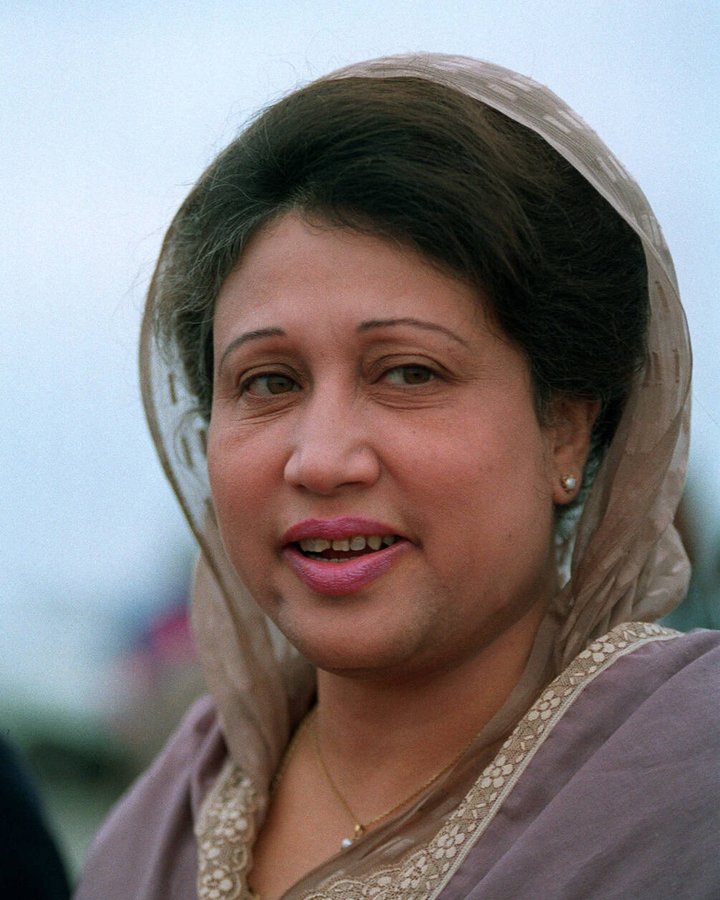
Dhaka, Tuesday, December 30, 2025 (WNP): Bangladesh plunged into mourning on Tuesday following the death of former Prime Minister and Bangladesh Nationalist Party (BNP) Chairperson Begum Khaleda Zia, a towering political figure whose career spanned decades of struggle, leadership and controversy in the country’s turbulent democratic journey.
The news was confirmed by Acting BNP Chairman Tarique Rahman, who announced that his mother had “responded to the call of Almighty Allah” and passed away earlier in the day. “Inna lillahi wa inna ilayhi raji’un (Indeed, we belong to Allah, and to Him we shall return),” he said in an emotional statement.
Khaleda Zia, twice elected prime minister, was widely regarded by supporters as a symbol of resistance against authoritarianism and a central architect of Bangladesh’s multiparty political landscape. To millions of her followers, she was revered as the “Mother of Democracy,” a leader who, they say, stood firm against autocracy, political domination and the erosion of democratic norms.
In his message, Tarique Rahman described his mother not only as a national leader but as a deeply personal source of strength. “To me, Khaleda Zia was a tender and loving mother who devoted her entire life to the country and its people,” he said, recalling her resilience amid years of political pressure, imprisonment and prolonged illness.
Khaleda Zia’s political life was marked by profound personal sacrifice. She lost her husband, President Ziaur Rahman, who was assassinated in 1981, and later endured the death of a son. According to her family and party colleagues, these losses deepened her resolve to continue her political struggle, turning the nation itself into what they described as her extended family and lifelong reminder of duty.
Despite facing repeated arrests, legal battles and what her party has termed the denial of adequate medical care, Khaleda Zia remained a potent symbol of opposition politics. Tarique Rahman noted that even during periods of confinement and illness, she continued to display “unbreakable” courage, offering strength and reassurance to her family and supporters alike.
Political leaders, civil society figures and ordinary citizens across Bangladesh paid tribute, acknowledging her enduring influence on the country’s democratic discourse. Messages of condolence also began pouring in from abroad, reflecting her prominence beyond national borders.
Khaleda Zia leaves behind a legacy that supporters describe as a blend of patriotism, sacrifice and resistance—one that, they say, will continue to shape Bangladesh’s democratic conscience for generations to come.
Concluding his statement, Tarique Rahman appealed to the nation and the international community for prayers. “For the profound emotion, love and respect shown by the people of this country and by the world, my family and I remain eternally grateful,” he said.
Funeral arrangements and official mourning details were expected to be announced later.