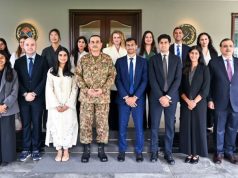
RAWALPINDI, Frriday, January 30, 2026 (WNP): Director General Inter-Services Public Relations (DG ISPR) Lieutenant General Ahmed Sharif Chaudhry on Friday held an interactive session with faculty members and students of the University of Gwadar, focusing on regional and international developments, the impact of disinformation, and the role of youth in safeguarding national cohesion.
According to an official statement, Lt Gen Ahmed Sharif was accorded a warm reception upon his arrival at the university, reflecting the academic community’s engagement with national issues and security discourse.
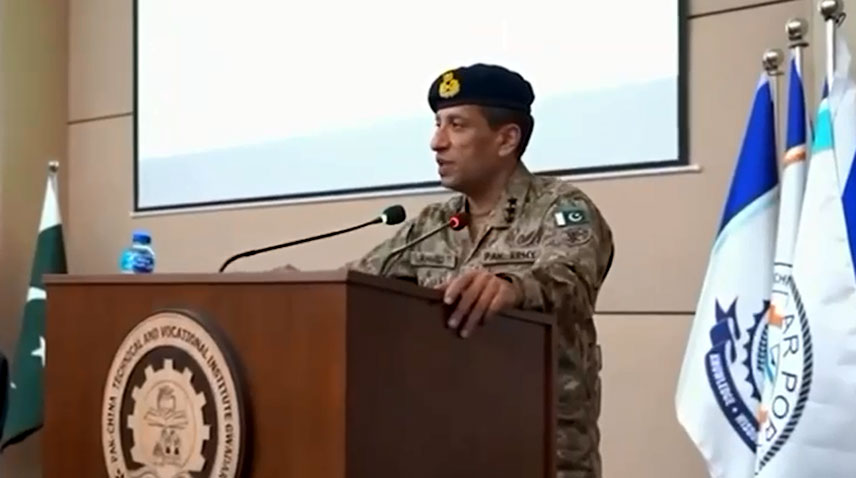
During the interaction, the DG ISPR provided a comprehensive overview of the prevailing regional and global environment, highlighting evolving security challenges and their implications for Pakistan.
He emphasized the importance of informed public discourse and constructive engagement, particularly among students, in an era marked by rapid information flows and complex geopolitical dynamics.
A significant part of the session focused on the spread of negative propaganda and disinformation on social media. Lt Gen Ahmed Sharif cautioned against the harmful effects of unverified and misleading content, underscoring how such narratives can undermine social harmony, national unity, and trust in state institutions. He stressed the need for critical thinking, media literacy, and responsible use of digital platforms, especially among the youth.
Students and faculty actively participated in the discussion, sharing their perspectives on national security, development, and the role of the armed forces.
Participants expressed confidence in the Pakistan Army’s continued commitment to defending the country’s sovereignty, dignity, and constitutional order, and acknowledged its role in ensuring peace and stability.
The interaction concluded with an exchange of views on the importance of education, awareness, and youth engagement in strengthening Pakistan’s democratic and constitutional framework, with both sides emphasizing the value of sustained dialogue between state institutions and academic communities.