ISLAMABAD, Tuesday, March 3, 2026 (WNP): The World Wide Fund for Nature Pakistan has called for urgent action to combat illegal wildlife trade and unsustainable harvesting practices that are putting Pakistan’s biodiversity and natural heritage at growing risk.
In a statement issued on World Wildlife Day, the conservation organization said wildlife trafficking continues to pose a serious challenge globally, with Pakistan serving both as a source and transit route for the illegal trade of animals and plants.
Conservationists warn that the illegal extraction of species—from reptiles and mammals to high-value medicinal plants—is weakening already fragile ecosystems and threatening natural resources on which local communities depend.
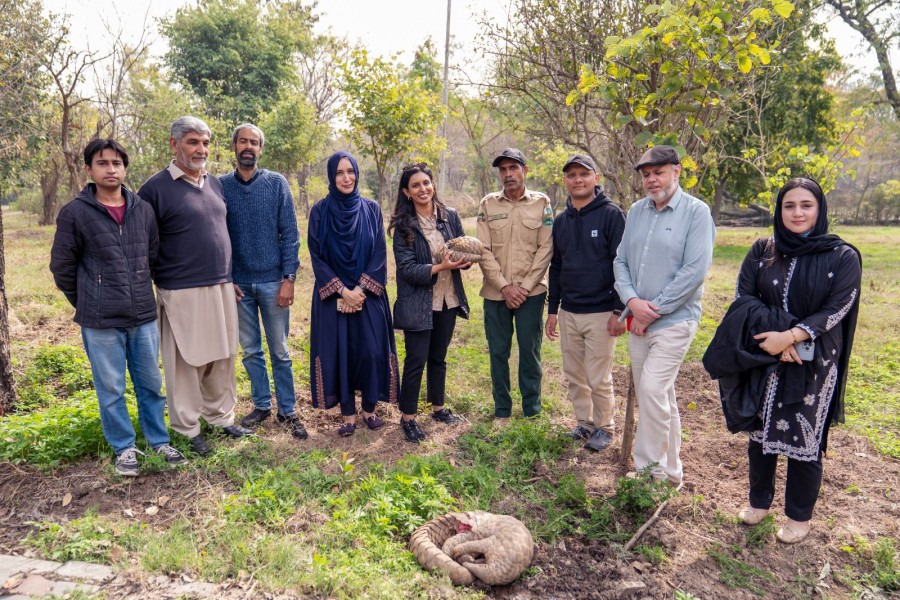
According to WWF-Pakistan officials, the organization is working with government departments and partners to strengthen enforcement mechanisms, improve coordination among institutions, and enhance the capacity of frontline wildlife staff and law enforcement agencies.
“We have developed a comprehensive training curriculum and an Illegal Wildlife Trade Prevention Strategy,” said Muhammad Jamshed Iqbal Chaudhry, Senior Manager Conservation at WWF-Pakistan.
He said the organization is conducting nationwide training on SMART monitoring systems, species identification, wildlife crime investigation, ranger safety, safe animal handling, and community engagement.
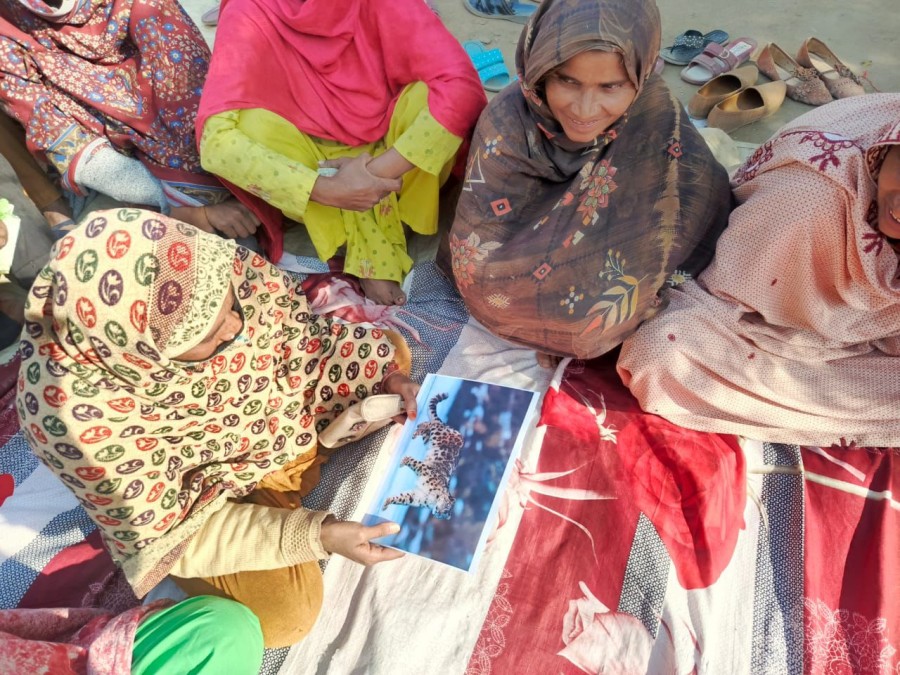
More than 1,200 participants—including community members, students, journalists, and local leaders—have been engaged through awareness sessions and webinars, aimed at promoting stronger public understanding of conservation challenges.
Recent field conservation initiatives in Deva Vatala National Park, carried out in collaboration with the Azad Jammu and Kashmir Wildlife Department and local communities, have resulted in the rescue and release of several wildlife species.
Among the rescued animals were the Indian Pangolin, Barking Deer, Rock Python, and Alexandrine Parakeet.
“These efforts demonstrate how coordinated enforcement and community stewardship can produce tangible conservation results,” WWF officials said.
Rab Nawaz, Senior Director Programmes at WWF-Pakistan, emphasized that effective conservation depends on both institutional enforcement and community awareness.
“By strengthening institutional capacity and engaging local stakeholders, we are improving Pakistan’s ability to prevent wildlife crime and protect vulnerable species before they disappear from the wild,” he said.
WWF-Pakistan also highlighted the growing threat to medicinal and aromatic plants, aligning its message with the 2026 World Wildlife Day theme: “Medicinal and Aromatic Plants: Conserving Health, Heritage and Livelihoods.”
Pakistan is home to a wide range of valuable medicinal species, including Asparagus racemosus (Shatavari), Viola odorata (Banafsha), Nardostachys jatamansi (Jatamansi), and Saussurea costus (Kuth), which are widely used in traditional medicine and herbal industries.
In arid regions such as Balochistan and Sindh, species like Commiphora wightii (Guggal) are harvested for their valuable resin, while high-altitude plants such as Ephedra and Bergenia ciliata are sourced from northern forests for medicinal use.
However, increasing commercial demand has led to widespread unsustainable harvesting, with some high-value species being extracted entirely from the wild, preventing natural regeneration.
Conservationists warn that the loss of medicinal plants could threaten both biodiversity and rural livelihoods.
“Medicinal and aromatic plants are deeply intertwined with Pakistan’s natural heritage, healthcare systems, and rural economies,” Rab Nawaz said. “Protecting these species through sustainable harvesting, stronger regulation, and community engagement is essential for future generations.”
Globally, experts estimate that more than 20 percent of medicinal plant species are now threatened with extinction due to habitat loss, climate change, and illegal trade—highlighting the urgent need for coordinated conservation action worldwide.