CHOLPON-ATA, Tuesday, July 7, 2026 (WNP): President Asif Ali Zardari on Tuesday called for a new era of strategic cooperation between Pakistan and the Kyrgyz Republic, emphasizing enhanced connectivity, expanded trade, investment, research collaboration and stronger people-to-people contacts to unlock the full potential of bilateral relations.
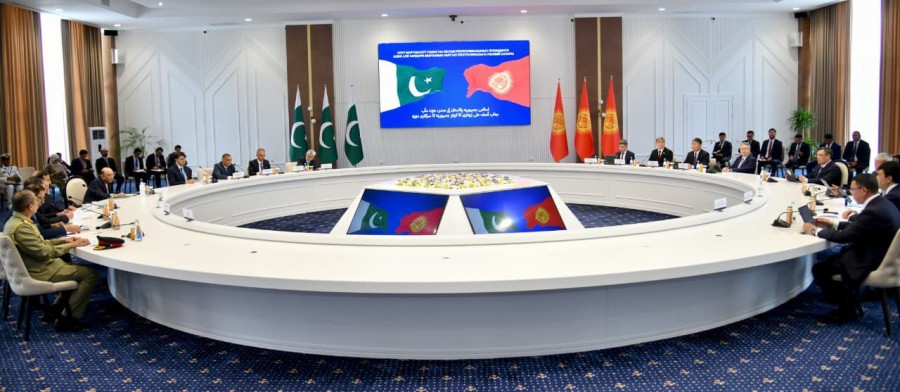
Speaking during official talks with Kyrgyz President Sadyr Japarov in Cholpon-Ata, President Zardari said Pakistan and the Kyrgyz Republic shared deep historical, cultural and religious bonds that should be translated into stronger economic and regional cooperation.
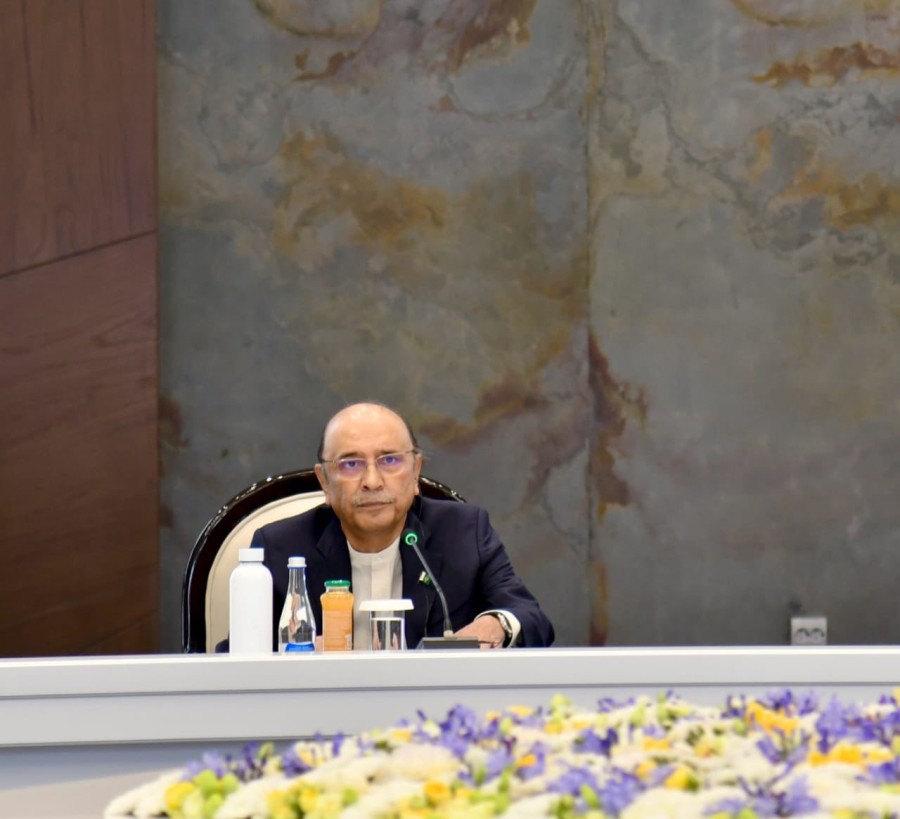
Recalling his first visit to Kyrgyzstan alongside the late Prime Minister Shaheed Mohtarma Benazir Bhutto in 1995, President Zardari said he had always admired the country’s natural beauty and warm hospitality.
“The first time I came to your beautiful country was with my late wife, Shaheed Mohtarma Benazir Bhutto, when she was serving as the Prime Minister of Pakistan. Every visit has reinforced my admiration for this beautiful country,” he said.
Describing Kyrgyzstan as a country with immense tourism and economic potential, President Zardari stressed the need to improve connectivity through increased air links between the two countries.
“Kyrgyzstan deserves to be explored more. We need to strengthen our bilateral relations by increasing connectivity, including more flights between Pakistan and Kyrgyzstan and vice versa,” he said, adding that the two nations were united by a common faith and longstanding friendship.
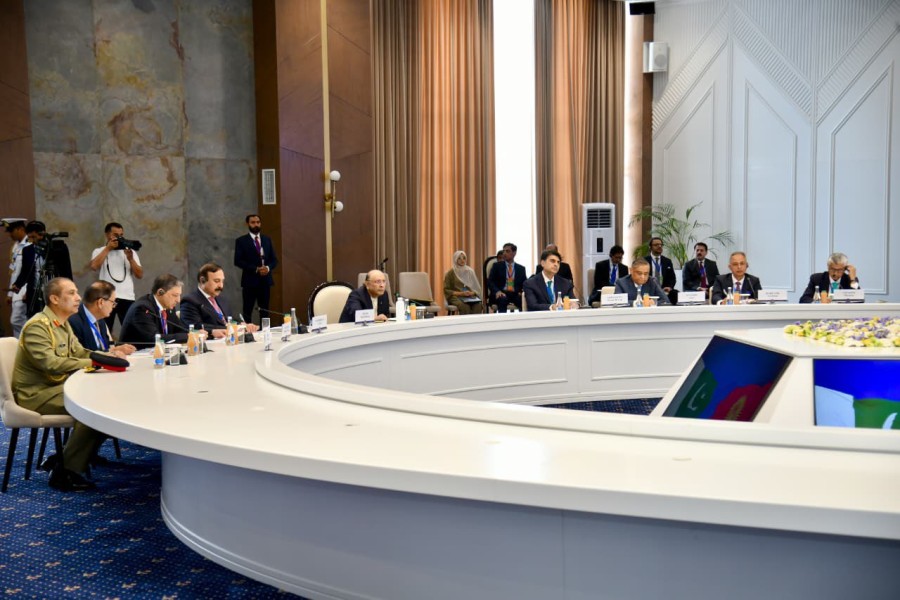
The President noted that while technological advances had transformed global communication, geography continued to make neighbouring countries indispensable partners.
“The world is becoming smaller with the advancement of modern technology. However, no matter how much the world changes, neighbours remain irreplaceable. Therefore, we must work together and find new ways to progress collectively,” he observed.
President Zardari congratulated President Japarov and the people of the Kyrgyz Republic on their country’s election as a non-permanent member of the United Nations Security Council for the 2027-2028 term, describing it as a recognition of Kyrgyzstan’s constructive contribution to international peace and multilateral diplomacy.
He said Pakistan looked forward to working closely with the Kyrgyz Republic at the United Nations on issues related to international peace, security and global cooperation.
Highlighting the historical links between the two countries, President Zardari said Pakistan and the Kyrgyz Republic had once enjoyed far closer interaction through the ancient Silk Road and expressed confidence that those connections could be revived in the modern era.
“Our friendship is rooted in our common faith, shared history and deep cultural affinity. I see no reason why we cannot become just as close—or even closer—in the future,” he remarked.
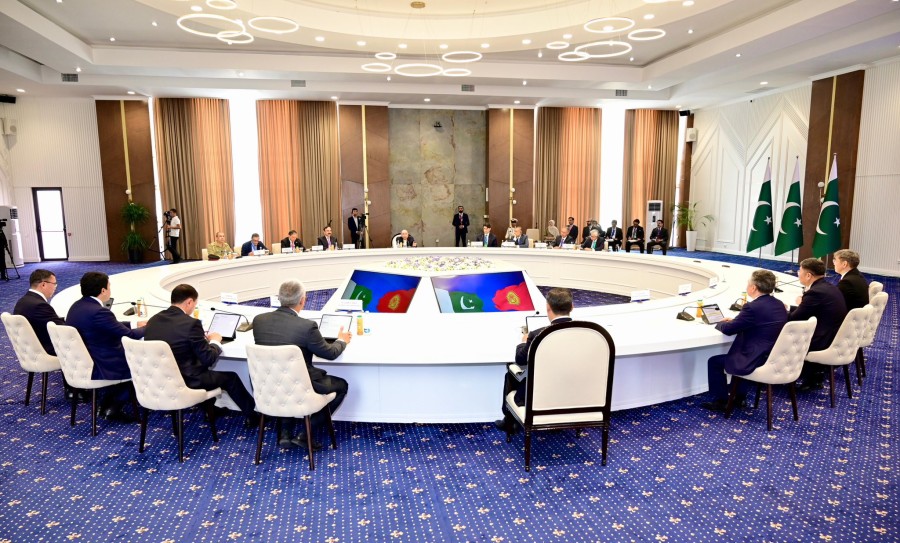
The President said Pakistan was keen to expand bilateral economic engagement by supplying quality commodities to the Kyrgyz market at competitive prices while promoting cooperation in industry, trade and investment.
He also underscored the importance of strengthening collaboration in research, innovation and emerging technologies, saying young people would play a defining role in shaping future relations between the two countries.
“Research is closely linked with modern technology and the energy of young people. A new generation is emerging, and it will soon take over from us,” he said.
President Zardari stressed that leaders had a shared responsibility to create greater opportunities for future generations by promoting peace, prosperity and regional cooperation.
“Our responsibility is to ensure that we leave our nations in a more peaceful, prosperous and cooperative environment than the one we inherited,” he said.
The talks between President Zardari and President Japarov formed part of the Pakistani President’s official visit to the Kyrgyz Republic, aimed at further strengthening bilateral relations and expanding cooperation across political, economic, cultural and regional sectors.