Moscow, Islamabad sign 2026–2030 economic cooperation programme as bilateral trade rises 11 per cent to more than $300 million in first nine months

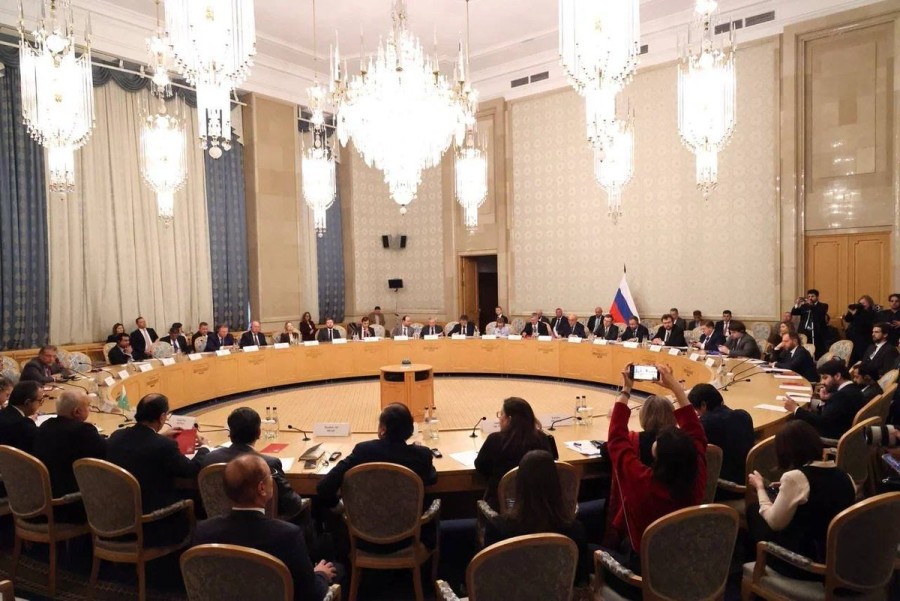
ISLAMABAD, Thursday, November 26, 2026 (WNP): Russia and Pakistan have agreed to expand cooperation in energy, space technology, industrial development, trade and other key sectors following the 11th meeting of the Russia-Pakistan Intergovernmental Commission (IGC) on Trade, Economic, Scientific and Technical Cooperation.
The meeting, held on November 25, was co-chaired by Russian Energy Minister Sergey Tsivilev and Pakistan’s Federal Minister for Power Sardar Awais Ahmad Khan Leghari, with both sides reviewing existing cooperation and identifying new avenues for mutually beneficial engagement.
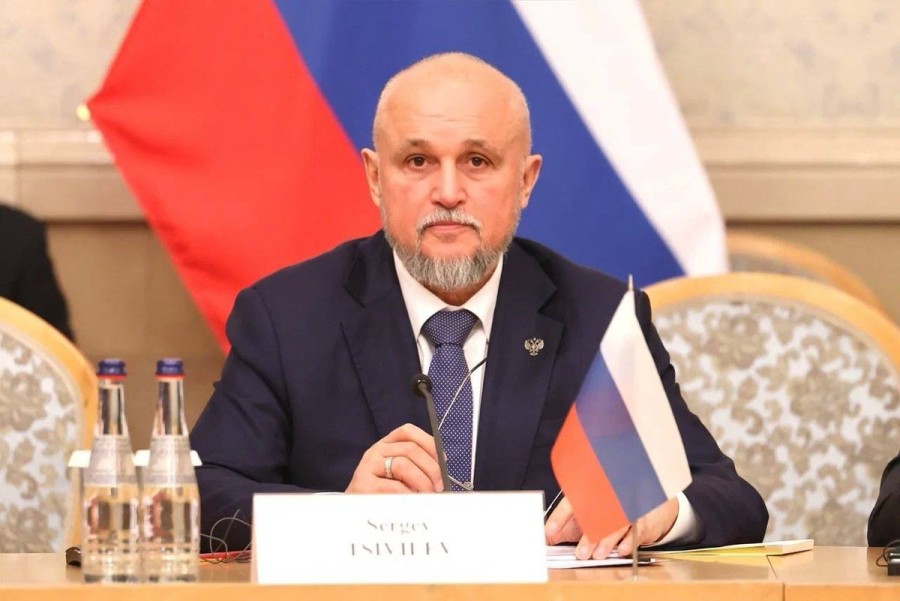
Describing Pakistan as an important partner for Russia in South Asia, Tsivilev said the two countries shared a longstanding tradition of friendship, mutual respect and consideration for each other’s interests.
Energy remained a key focus of the discussions, with the two sides exploring cooperation in the oil and gas sector, construction of a hydropower plant in Pakistan, and increased supplies of Russian energy resources and equipment, including liquefied natural gas (LNG) and liquefied petroleum gas (LPG).
Tsivilev identified Pakistan’s recognition of Russian oil and gas standards as an important prerequisite for further progress in the sector, adding that efforts to address the matter were already underway.
The two countries also discussed expanding cooperation in space technology, with Russia expressing interest in sharing its expertise in satellite navigation and communications, Earth remote sensing, human spaceflight and related technologies.
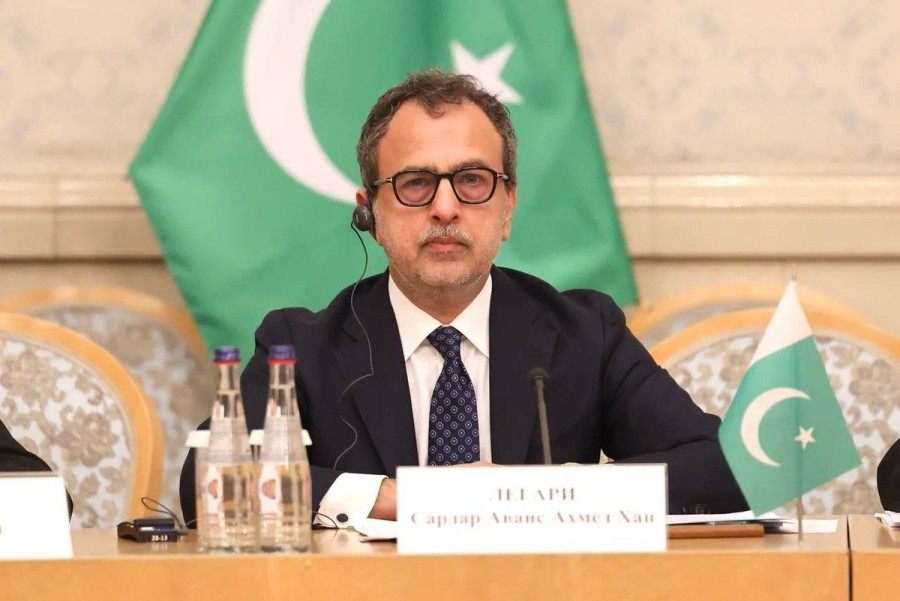
“Russia is ready to share its experience and expertise” in these areas, Tsivilev said, highlighting the scientific and technological potential for closer collaboration between the two countries.
Industrial cooperation also featured prominently, particularly the proposed modernization of the metallurgical complex in Karachi. Russian company MetPromStroy is exploring opportunities to participate in the project and developing specific technical and organizational solutions.
On the economic front, bilateral trade demonstrated positive growth, increasing by 11 per cent during the first nine months of 2026 and exceeding $300 million.
Tsivilev said expanding and diversifying bilateral trade remained a major priority, expressing confidence that a free trade agreement between the Eurasian Economic Union (EAEU) and Pakistan would provide a significant boost to commercial relations.
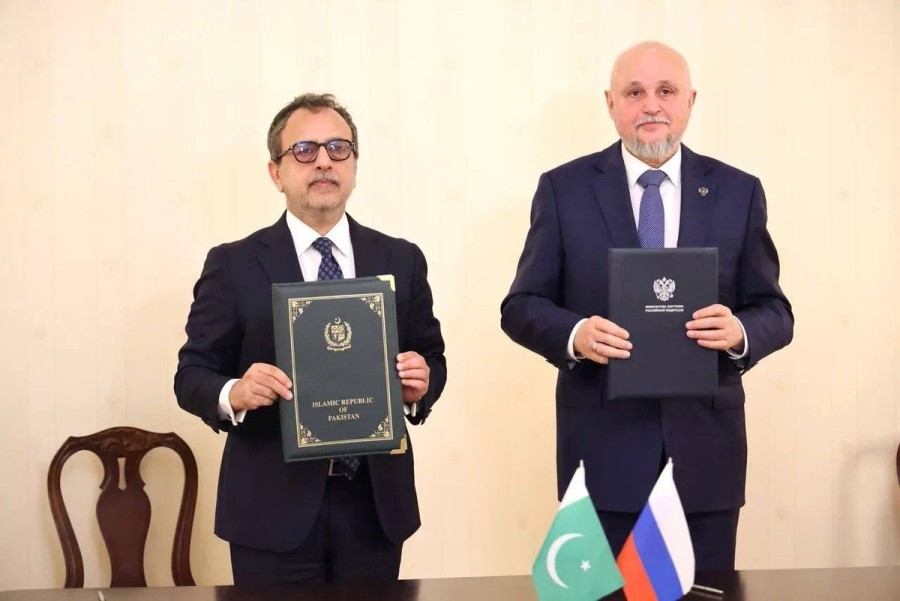
A major outcome of the meeting was the signing of the Russia-Pakistan Economic Cooperation Programme for 2026–2030. Several other documents covering transport, nuclear energy, science, culture and additional areas of cooperation were also prepared for signing.
The agenda further included discussions on education, digital technologies and improvements to the legal and regulatory framework governing bilateral relations.
The latest IGC meeting reaffirmed the commitment of Russia and Pakistan to strengthening their longstanding friendly relations and advancing practical cooperation across a broad range of sectors, with a focus on trade expansion, energy security, industrial development and scientific collaboration.