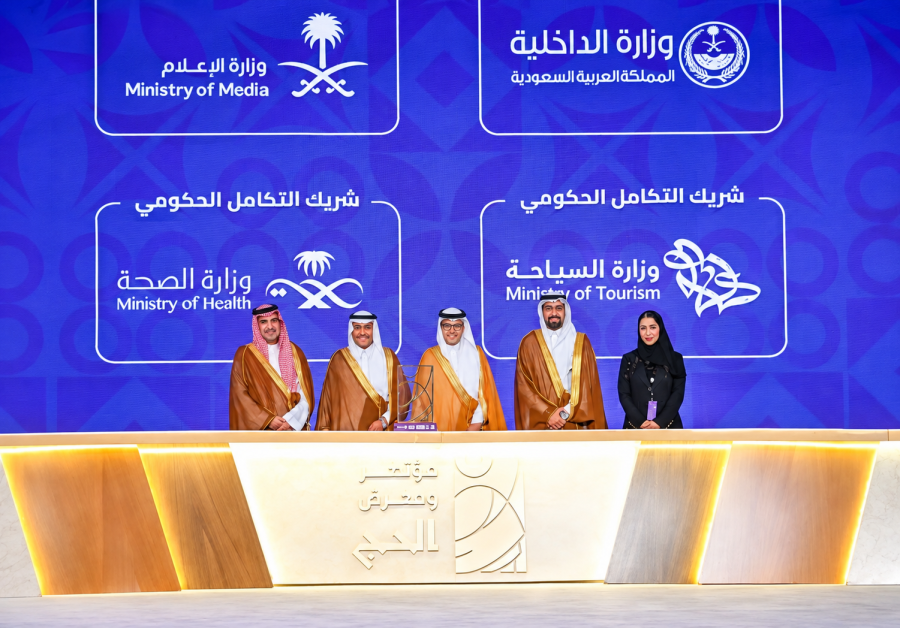
Held under the patronage of Custodian of the Two Holy Mosques King Salman, landmark international gathering brings together over 520 entities from more than 150 countries, advancing early preparations for Hajj 1448 AH through innovation, technology and enhanced pilgrim services

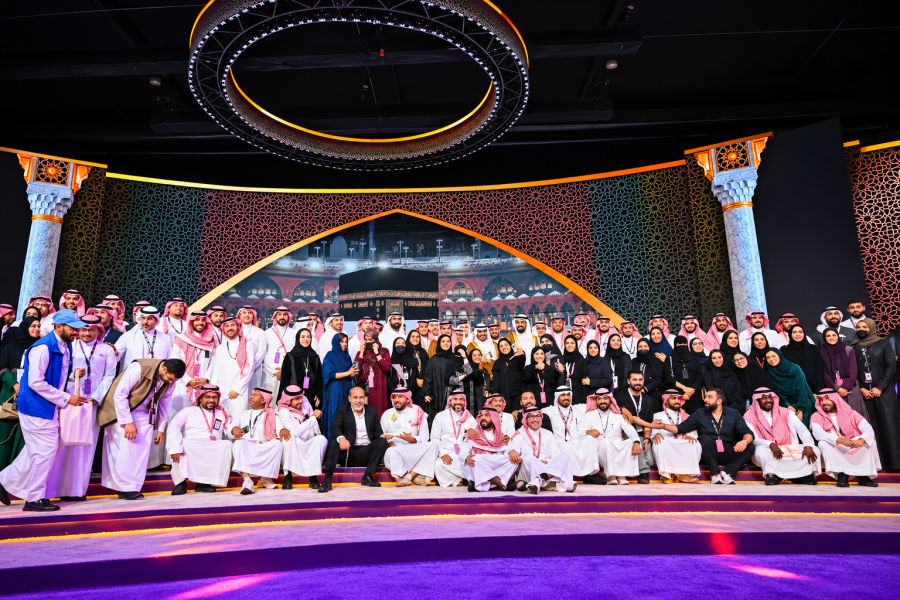
JEDDAH, Thursday, November 12, 2026 (WNP): Saudi Arabia has reaffirmed its global leadership in Hajj management and pilgrim services as the sixth Hajj Conference and Exhibition concluded in Jeddah, recording the signing of 2,553 agreements and attracting more than 200,000 visitors, with participation from over 150 countries.
The four-day international gathering, which concluded on Wednesday, brought together more than 520 government, private and nonprofit entities, reflecting the Kingdom’s commitment to strengthening international cooperation, operational preparedness and innovation in serving the Guests of Allah.
Held under the patronage of Custodian of the Two Holy Mosques King Salman bin Abdulaziz Al Saud, the conference was organized by the Ministry of Hajj and Umrah in cooperation with the Pilgrim Experience Program, a key initiative under Saudi Vision 2030.
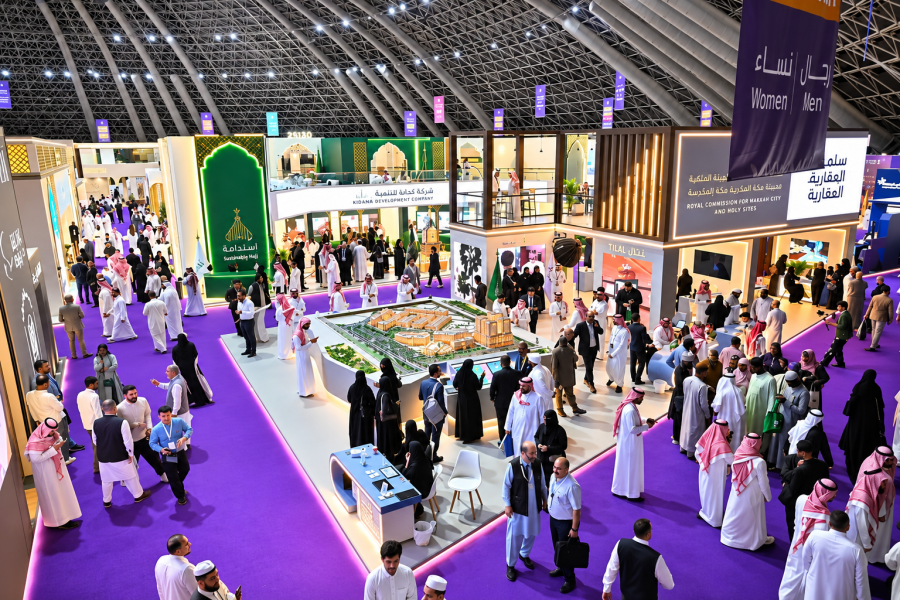
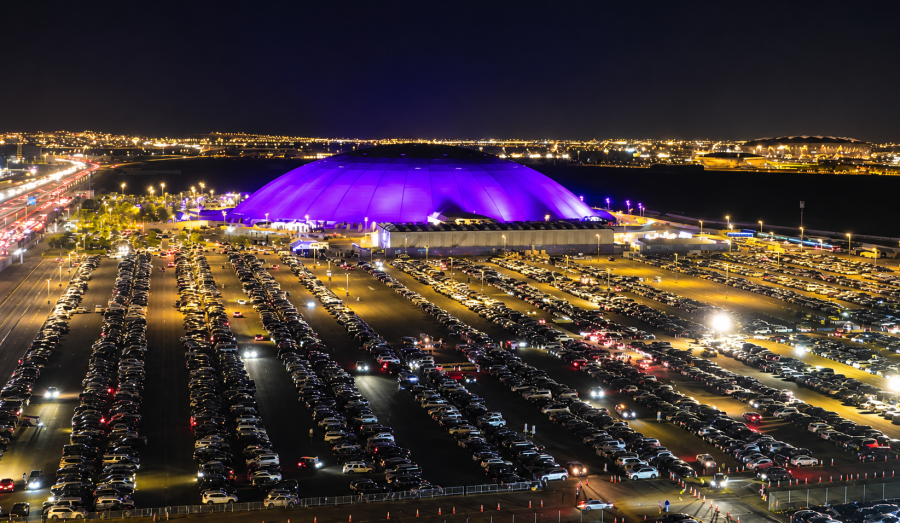
Hosted at the Jeddah Superdome under the theme “From Makkah to the World,” the event provided an international platform for Hajj authorities, policymakers, service providers, entrepreneurs and innovators to coordinate preparations for the upcoming 1448 AH Hajj season.
The conference marked a significant milestone in the Kingdom’s early preparations for Hajj 1448 AH, facilitating agreements, operational planning and coordination among international Hajj missions and service providers.
A major achievement was the finalization of Hajj arrangements with offices representing 74 countries, building upon preliminary agreements and advancing preparations for pilgrim transportation, accommodation, service contracts and operational requirements.
The extensive participation demonstrated the growing importance of coordinated international planning in ensuring an organized, efficient and comfortable pilgrimage experience for millions of Muslims travelling to the Two Holy Mosques.
The conference’s scientific program featured 45 panel discussions involving more than 460 speakers, alongside 71 specialized workshops attended by approximately 3,500 trainees.
Discussions focused on three principal areas: infrastructure and operational services, empowerment and institutional synergy, and training and professional development.
Experts examined a broad range of subjects, including transportation, aviation, logistics, accommodation, hospitality, catering, healthcare, technology, artificial intelligence, communications, entrepreneurship and crowd management.
The Hajj Talk platform hosted 47 dialogue sessions addressing operational challenges, development priorities and practical solutions for improving pilgrim services.
These discussions enabled Hajj affairs offices and service providers to exchange expertise, identify challenges and explore innovative approaches to preparations for the forthcoming pilgrimage season.
For the first time, the conference introduced the Awareness and Training Forum, reflecting Saudi Arabia’s increasing emphasis on professional development and institutional readiness.
The forum conducted 12 sessions and meetings and launched several initiatives, including an awareness readiness index, a unified workers’ portal and a specialized program for Hajj affairs office representatives and group leaders.
A major accomplishment was the qualification of 658 trainees from 76 countries through a training-of-trainers program.
The initiative featured 11 specialized training tracks delivered in four languages, supporting the development of a skilled international workforce capable of providing improved services to pilgrims.
The forum also witnessed the signing of three agreements, alongside seven interactive activities and eight accompanying events.
Innovation and digital transformation emerged as central themes of the conference, highlighting the Kingdom’s efforts to harness emerging technologies to improve efficiency, safety and service quality throughout the pilgrim journey.
The accompanying exhibition covered more than 67,000 square meters and featured organizations representing 19 sectors of the Hajj services ecosystem.
These included transportation, aviation, accommodation, healthcare, catering, logistics, crowd management, artificial intelligence, education, training and media.
The exhibition showcased technologies and operational solutions designed to streamline pilgrim movement, enhance coordination and improve the overall Hajj experience.
More than 15 major programs and specialized areas were featured, including the Innovation Zone, Business Center, Partners’ Platform, Expert Volunteer Forum, Technology Oasis, Health Oasis, Media Oasis, Aviation Oasis and the “Made in Saudi Arabia” area.
The conference provided significant opportunities for entrepreneurs, technology developers and emerging businesses to contribute to the transformation of Hajj services.
The Innovation Council hosted 15 startup companies over four days, supported by nine specialists from the Ministry of Hajj and Umrah and four external experts.
More than 35 representatives of companies serving pilgrims inside and outside Saudi Arabia also participated, bringing total engagement to more than 80 participants.
The council conducted 14 hours of discussions focused on technological innovation, operational improvements and opportunities to strengthen the Hajj services ecosystem.
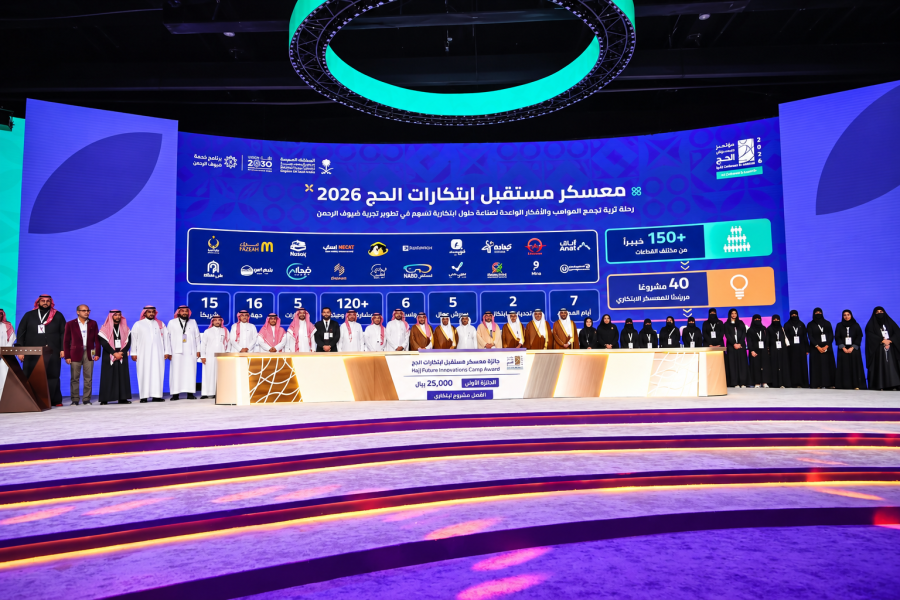
Meanwhile, the startup exhibition featured 10 companies, while the “Future of Hajj Innovations” camp brought together 20 teams developing solutions in smart operations, crowd management, sustainability, resource efficiency, pilgrim services and awareness programs.
Participating innovators benefited from mentorship, technical guidance, incubation opportunities and financial support.
The Innovative Initiatives Zone showcased 12 government initiatives, while the Innovation Store presented an impressive 574 innovative products.
The “Try Me” zone enabled visitors to experience 13 innovative products firsthand, providing practical insights into technologies that could enhance pilgrim services.
The exhibition also displayed innovations from the “Think for the Two Holy Mosques” program.
Vice Minister of Hajj and Umrah Abdulfattah Mashat honored the winners of several awards recognizing outstanding contributions to the Hajj services sector.
These included the Labbitom Award for Excellence in Serving Pilgrims, the third edition of the Tawasul Award for media and awareness excellence, and the Mobdeoon Award.
The awards recognized innovative initiatives, distinguished organizations, products and services contributing to improvements in the quality, efficiency and accessibility of services provided to pilgrims.
The successful conclusion of the conference reflects the Kingdom’s continuing efforts to modernize the Hajj and Umrah services ecosystem under Saudi Vision 2030.
Through the Pilgrim Experience Program, Saudi Arabia is working to improve infrastructure, expand service capacity, strengthen operational readiness and increase participation by private and nonprofit organizations.
The initiative also seeks to integrate technology, innovation and international cooperation into every stage of the pilgrim journey, from initial preparations and travel arrangements to accommodation, transportation, healthcare and religious services.
The conference demonstrated how coordinated planning, professional training and advanced technology can contribute to a safer, more efficient and spiritually fulfilling pilgrimage experience.
From Makkah to the world, Saudi Arabia is transforming its commitment to serving pilgrims into a global model of innovation, coordination and excellence.
With thousands of agreements, hundreds of participating organizations and extensive international engagement, the sixth Hajj Conference and Exhibition has laid an important foundation for preparations for Hajj 1448 AH.
The event also reinforced the Kingdom’s determination to continually improve services for pilgrims visiting the Two Holy Mosques.
As preparations advance for the next Hajj season, Saudi Arabia’s message remains clear: Serving the Guests of Allah is not merely an operational responsibility, but an enduring honor and a commitment that transcends borders.