
TASHKENT, Saturday, May 16, 2026 (WNP): The government of Uzbekistan is pursuing wide-ranging housing and urban development reforms aimed at improving living standards and ensuring affordable housing amid rapid demographic growth and accelerating urbanization.
According to official plans and policy measures, the reforms go beyond increasing construction volumes and focus on creating sustainable, modern, and environmentally friendly urban communities capable of accommodating the country’s growing population.
Uzbekistan’s population has been increasing by nearly 800,000 people annually, while around 250,000 new families are formed every year, significantly increasing demand for housing across the country.
In response, authorities have planned the construction of 110,000 apartments during 2025 alone.
The government has also set ambitious long-term goals, including doubling the number of housing units constructed annually to 421,000 by 2040 and expanding the mortgage loan portfolio to approximately $56.7 billion.
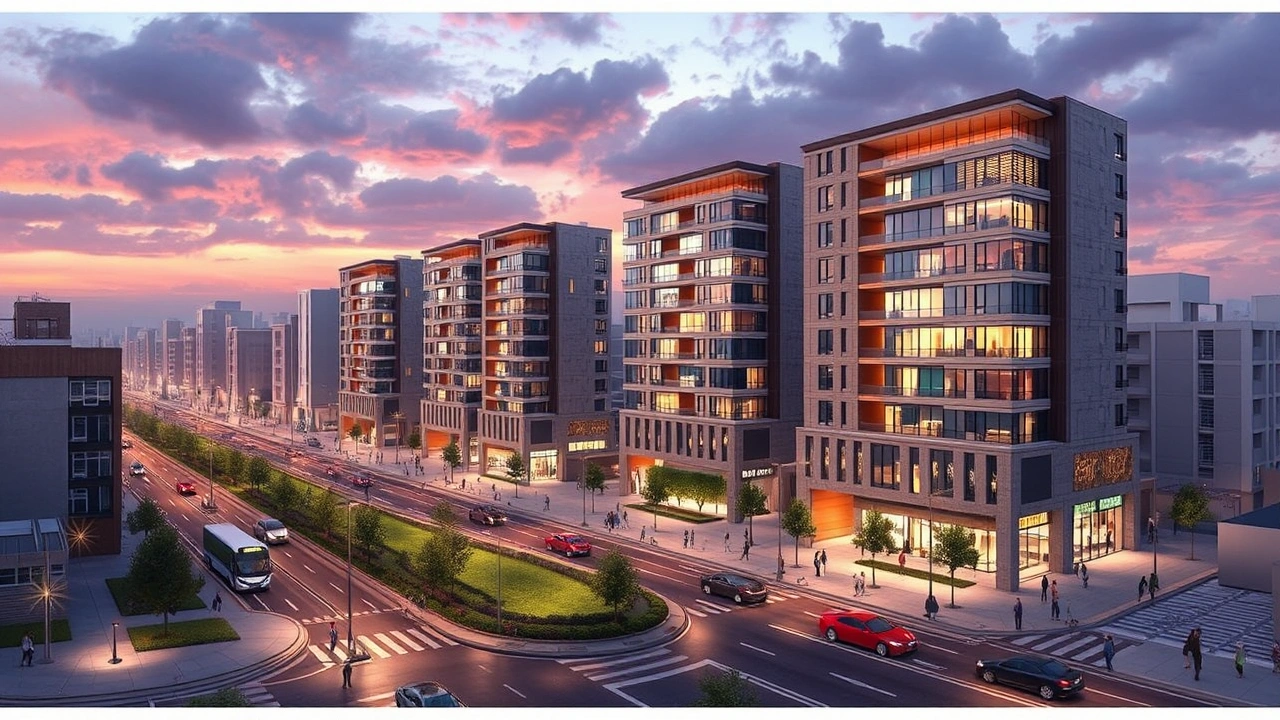
As part of efforts to manage rapid urban expansion and limited land availability, Uzbekistan is shifting from low-rise horizontal expansion to integrated vertical urban development. Nearly 40 percent of the country’s existing multi-apartment housing stock currently consists of two- and three-story buildings, many of which are being replaced with modern high-rise residential complexes equipped with social infrastructure and green spaces.
Authorities have introduced strict criteria for the construction of “New Uzbekistan” residential districts. Under the policy, selected sites must be located within two kilometers of district or city centers and have access to existing infrastructure. Areas selected for development should have at least 70,000 residents, while new projects must include a minimum of 100,000 square meters of construction and buildings no lower than seven stories.
To oversee and coordinate these reforms, the government has established the National Committee for the Sustainable Development of Urbanization and the Housing Market. The body is responsible for supervising urbanization processes, renovation programs, and the development of “New Uzbekistan” districts.
In addition, authorities plan to designate 45 agglomeration zones nationwide and launch the “Sustainable City” platform to prevent uncontrolled urban sprawl. A unified digital urbanization platform called “Uy-joy” is also being developed to integrate urban planning, land management, and project data into a single digital system.
Environmental sustainability has been identified as a key component of the country’s urbanization strategy. Under new regulations, at least two percent of the cost of constructing multi-apartment housing in “New Uzbekistan” districts must be allocated for green spaces around residential buildings. Large investment projects in Tashkent are also required to reserve at least 30 percent of their total area for greenery.
Housing and construction projects are being assessed under special “green” certification standards aimed at promoting environmentally responsible urban development.
The government has also expanded social protection measures to ensure that low-income and vulnerable groups are not excluded from the housing market. The mortgage subsidy system has been fully automated through the “subsidiya.idm.uz” platform, enabling transparent distribution of state subsidies for down payments and interest support.
The subsidy program particularly targets low-income families, young people under the age of 30, single women facing difficult social conditions, and overseas labor migrants.
The reforms represent a comprehensive state policy designed not only to build new housing, but also to create modern, inclusive, and sustainable urban environments capable of supporting Uzbekistan’s long-term demographic and economic growth.