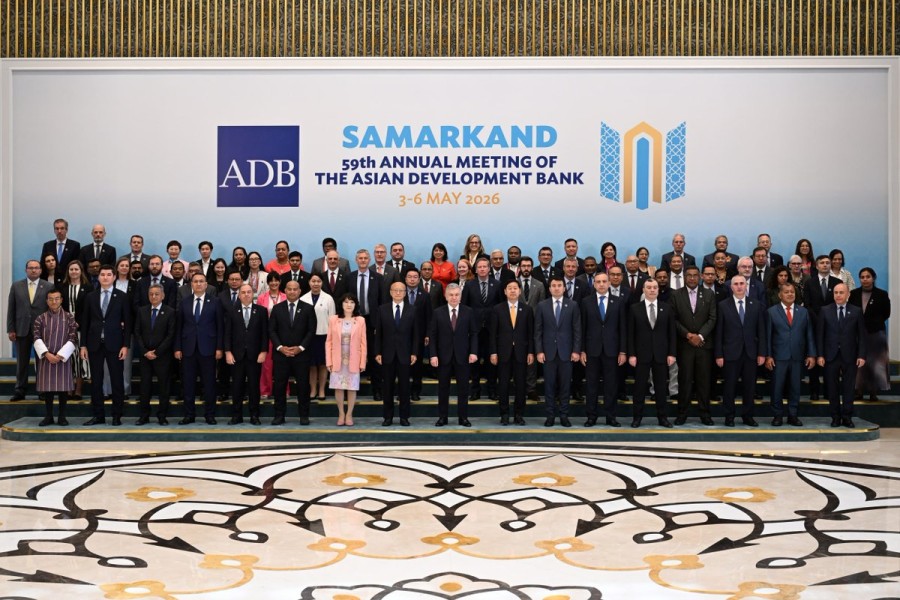
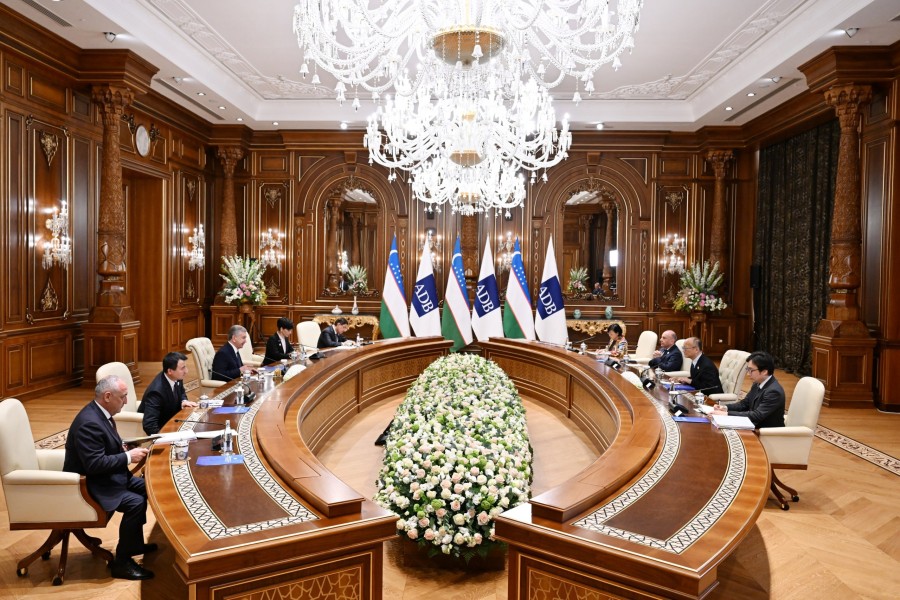
SAMARKAND, Monday, May 4, 2026 (WNP): President Shavkat Mirziyoyev on Tuesday outlined an ambitious roadmap for economic transformation, regional connectivity and sustainable development while addressing the 59th Annual Meeting of the Board of Governors of the Asian Development Bank in Samarkand.
Welcoming delegates from over 100 countries, the Uzbek president said his country is undergoing a “new phase of development,” driven by wide-ranging reforms launched since 2016 to liberalize the economy, attract investment and improve living standards.
He said Uzbekistan has attracted $150 billion in foreign investment in recent years, while the size of its economy has nearly tripled to $147 billion. He added that exports have also tripled and electricity production increased significantly through major energy projects.
Mirziyoyev said Uzbekistan aims to expand its economy to over $240 billion by 2030 and join the ranks of upper-middle-income countries, while eliminating poverty.
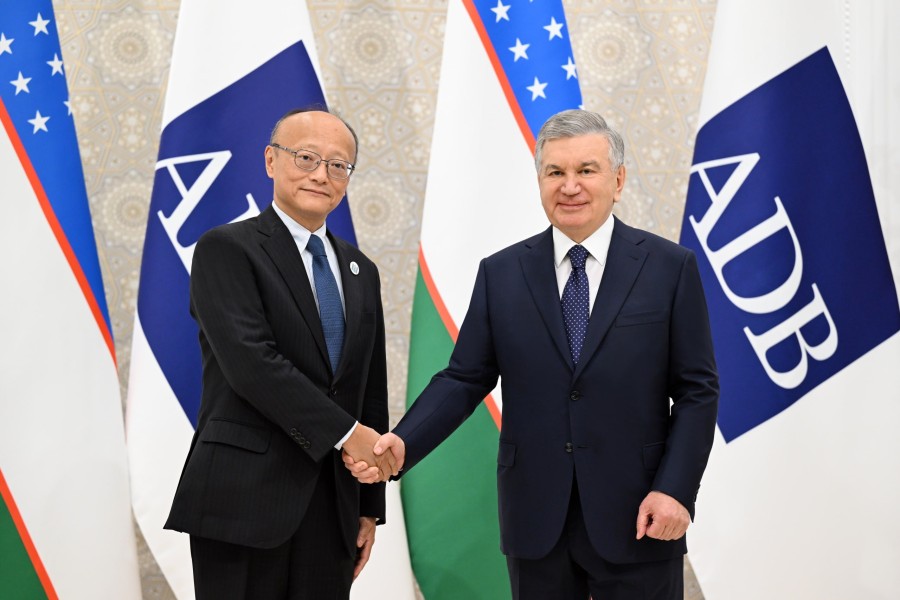
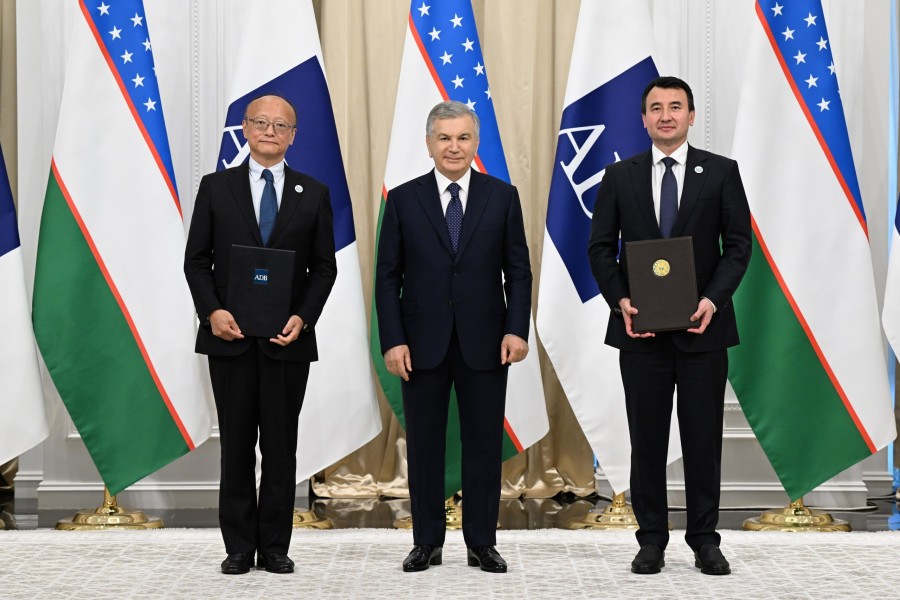
Highlighting cooperation with the ADB, he said joint projects worth nearly $16 billion are underway, and a new $12 billion cooperation program was signed to further strengthen partnership in key sectors.
Focusing on future priorities, the president proposed a series of regional and global initiatives, including the establishment of an artificial intelligence hub and a dedicated program under the ADB to scale up AI adoption in developing countries.
“Digital technology and artificial intelligence are transforming all sectors,” he said, adding that Uzbekistan is implementing over 200 AI projects and plans to train millions of specialists in the field.
On energy, he emphasized the growing demand driven by digital expansion and stressed the importance of “green energy,” noting that Uzbekistan has already increased the share of renewables to 30 percent and aims to reach 54 percent by 2030.
He also highlighted the importance of regional connectivity, citing the China–Kyrgyzstan–Uzbekistan railway project as a key initiative to enhance trade and reduce transit time across Central Asia.
Mirziyoyev proposed the creation of a “Digital Customs and Logistics Alliance” to streamline cross-border trade and improve efficiency under regional cooperation frameworks.
Addressing climate challenges, he announced the “Central Asia Green Belt” initiative, aimed at combating desertification and environmental degradation, while noting Uzbekistan’s ongoing efforts to expand forest cover and green spaces.
The president also emphasized opportunities in critical minerals, tourism, and private-sector engagement, proposing closer collaboration with international partners to develop value-added industries and sustainable supply chains.
He said Uzbekistan is working with global financial institutions, including the World Bank and the International Monetary Fund, to support reforms and mobilize investment.
Mirziyoyev underscored the growing importance of the ADB in addressing global economic challenges and reaffirmed Uzbekistan’s commitment to strengthening cooperation through innovative financing mechanisms and regional partnerships.
He expressed confidence that the Samarkand meeting would produce practical outcomes and contribute to advancing sustainable development across Asia and beyond.