
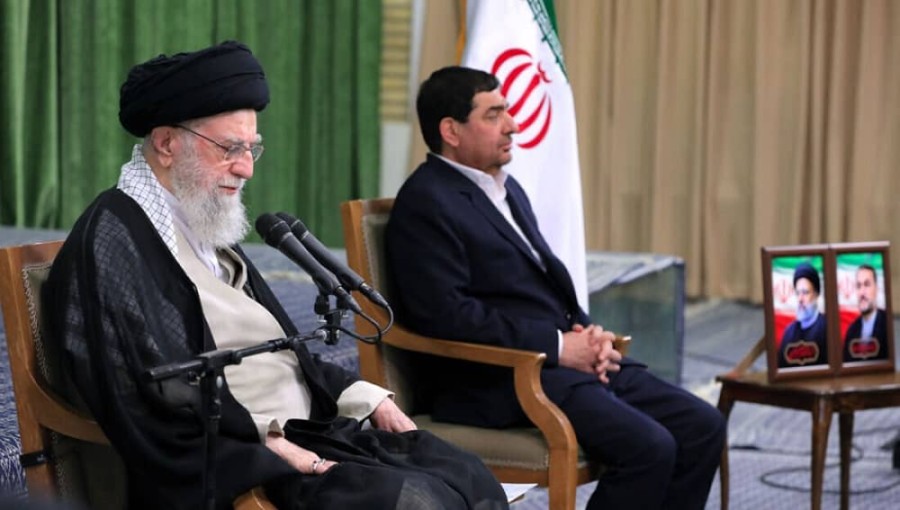
TEHRAN, Sunday, March 1, 2026 (WNP): Iran has formally moved to implement its constitutional succession mechanism following the death of Supreme Leader Ali Khamenei, as senior officials outlined transitional arrangements amid escalating regional tensions.
Citing Principle 111 of the Constitution of the Islamic Republic of Iran, authorities said that in the event of the demise, resignation, or dismissal of the Leader, the Assembly of Experts is required to act “as soon as possible” to appoint and introduce a new Supreme Leader.
Until a successor is formally chosen, the Constitution mandates that a temporary leadership council assume the duties of the Supreme Leader. The council is to consist of the President, the Head of the Judiciary, and one jurist from the Guardian Council selected by the Expediency Discernment Council.
Aide to the Supreme Leader of the Islamic Revolution of Iran, Mohammad Mokhber stated that the responsibilities of the transitional phase following “martyrdom” of the Leader of the Islamic Revolution would be managed by President Masoud Pezeshkian, Judiciary Chief Gholamhossein Mohseni-Ejei, and a jurist from the Guardian Council.
Under the constitutional framework, if any member of the interim council is unable to carry out their duties during the transition, the Assembly of Experts must appoint a replacement while maintaining a majority of jurists within the body.
The Assembly of Experts, an elected clerical body, holds the authority to appoint, supervise and, if necessary, dismiss the Supreme Leader.
In addition to the reported death of Ayatollah Khamenei, Iranian state media announced that Ali Shamkhani, the Representative of the Leader in the Supreme Defense Council, and Major General Mohammad Pakpour, commander-in-chief of the Islamic Revolution Guards Corps (IRGC), were killed in a U.S.-Israeli attack against Tehran on Saturday.
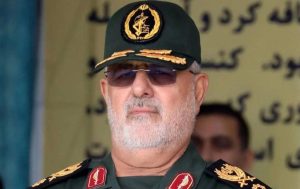
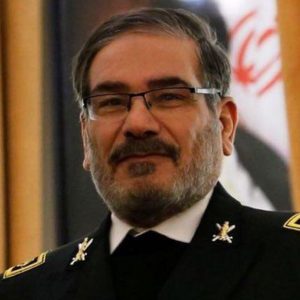
The reported deaths of senior military and security figures have added to the gravity of the political transition and intensified concerns about stability within the country’s command structure during an active external confrontation.
The activation of Article 111 marks one of the most consequential political moments in the Islamic Republic since the 1989 transition following the death of Ayatollah Ruhollah Khomeini.
Legal experts note that while the Constitution provides a clear procedural roadmap, the political and security environment surrounding this transition is unprecedented, given the ongoing military escalation and regional fallout.
International observers are closely monitoring how swiftly the Assembly of Experts convenes and whether a consensus candidate emerges in the coming days.
With nationwide mourning declared and security heightened across major cities, Iran now enters a critical transitional phase that will determine both its domestic political direction and its posture in an increasingly volatile regional landscape.