LUMS Energy Institute research identifies major savings through low-cost power generation, household energy efficiency and battery storage; experts urge policy reforms to unlock local manufacturing potential worth Rs1.1 trillion

ISLAMABAD, Thursday, November 5, 2026 (WNP): Pakistan could save up to $17 billion by reviewing its power generation plans and prioritising lower-cost energy sources, while household energy-efficiency measures could reduce peak electricity demand by 3,000 megawatts and generate annual savings of Rs442.6 billion, according to new research presented by the LUMS Energy Institute.
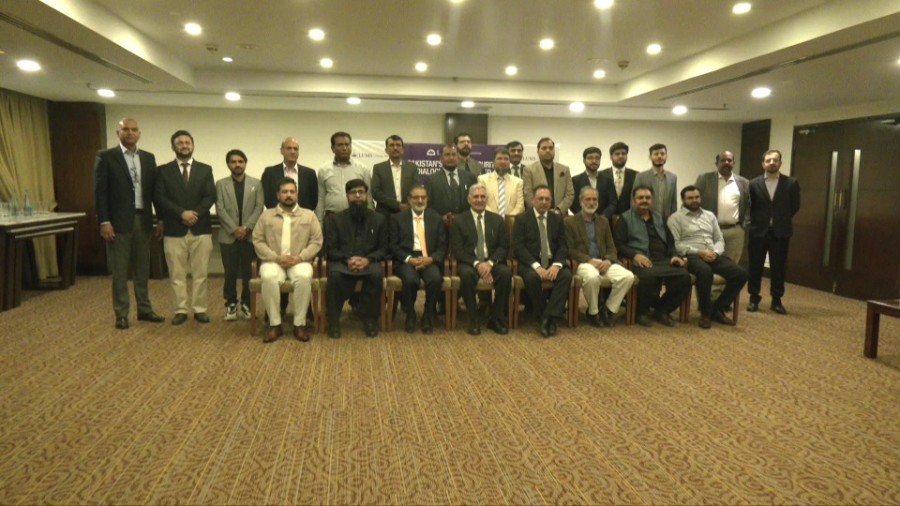
The findings were shared at the institute’s second high-level media roundtable in Islamabad, which brought together energy experts and senior journalists to examine the structural challenges facing Pakistan’s power sector and identify practical solutions to reduce electricity costs and strengthen energy security.
The research highlights the enormous economic potential of shifting towards more affordable sources of electricity and improving energy efficiency at the household level.
According to the study, making homes more energy-efficient could significantly reduce pressure on the national grid, lower electricity consumption and ease the burden on consumers.
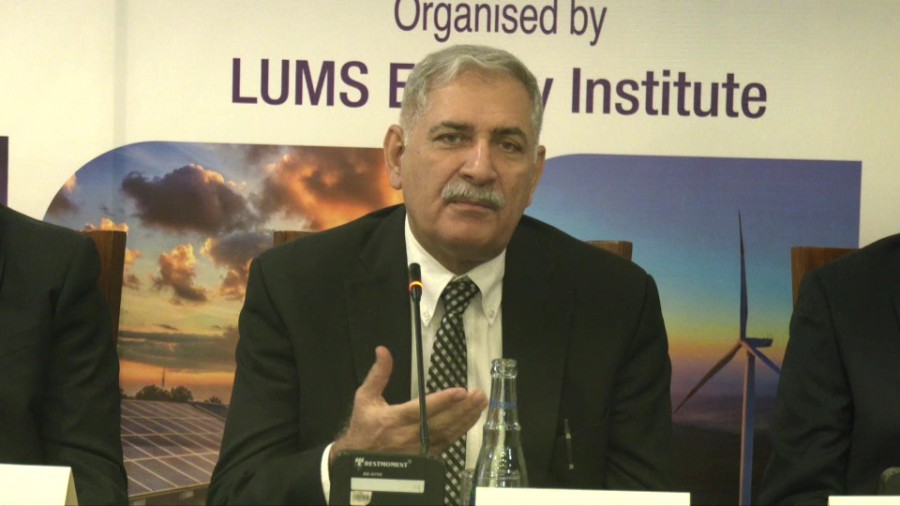
Chairman National Grid Pakistan, Dr. Fiaz Ahmed Chaudhry, said energy-efficient homes could deliver an economic benefit of approximately Rs450 billion to the national economy.
The proposed household measures could reduce peak electricity demand by as much as 3,000MW, offering substantial relief to the power system while helping consumers manage their electricity bills.
With solar energy use expanding across Pakistan, battery storage is emerging as an increasingly important component of the country’s energy landscape.
Managing Director National Grid Pakistan, Engineer Altaf Hussain Malik, observed that the rapid expansion of solar energy was now being followed by growing adoption of battery storage, signalling another major transition in the power sector.
The study estimates that Pakistan’s battery storage demand could reach between 45 and 50 gigawatt-hours by 2031, highlighting the scale of the emerging market.
The research also identifies a major opportunity for domestic manufacturing, estimating that power transmission and distribution equipment worth around Rs1.1 trillion could be manufactured locally.
However, the absence of a clear policy framework remains a major obstacle to developing domestic production capacity.
LUMS Energy Institute Programme Lead Faisal Javed Mughal said the power sector still lacked an approved local manufacturing policy, despite the significant potential for investment, industrial growth and employment generation.
Energy experts and senior journalists participating in the roundtable stressed that the recommendations presented in the research needed to move beyond discussion and translate into practical policy measures and investment.
The findings point to three major opportunities for Pakistan: reducing the cost of power generation, cutting avoidable household electricity consumption and building a domestic industry for energy infrastructure and battery storage.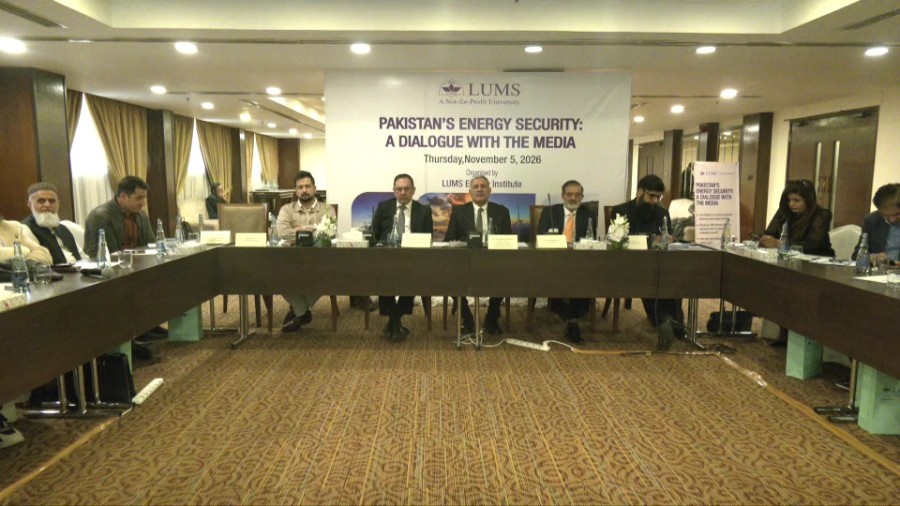
The message is clear: Pakistan’s energy crisis cannot be addressed through electricity generation alone. Lower-cost energy, efficient consumption, battery storage and local manufacturing must become part of a coordinated national strategy.
Turning these opportunities into effective policies could help reduce the country’s energy burden, strengthen economic resilience and create a more affordable and sustainable power system.